
Zo loopt er van 2 juli tot en met 28 augustus 2026 een internetconsultatie over het wetsvoorstel Passende huurcontracten. De bedoeling is om aan de ene kant huurders sneller huurbescherming te bieden, maar aan de andere kant voor studenten en arbeidsmigranten de mogelijkheid te bieden om een tijdelijk huurcontract af te sluiten.
Zo wordt verhuur voor korte duur (short stay) in het wetsvoorstel beperkt tot maximaal 30 dagen. Daarmee kan de short stay zonder huurbescherming eigenlijk alleen nog gebruikt worden voor vakantieverhuur.
Voor studenten komt er wel de mogelijkheid om een tijdelijk huurcontract van maximaal twee jaar af te sluiten. Nu kan dat al als een student voor de studie verhuist naar een andere gemeente. Als het wetsvoorstel ongewijzigd wordt aangenomen kan dat straks ook voor een student die al binnen de gemeente woont. Het wordt daarnaast ook mogelijk om met een arbeidsmigrant een tijdelijk huurcontract van maximaal twee jaar af te sluiten.
Let op! Het kabinet staat open om ook andere knelpunten op te lossen die zijn ontstaan na inwerkingtreding van de Wet vaste huurcontracten op 1 juli 2024. In reactie op de internetconsultatie kan iedereen ideeën daarvoor aandragen.
Om hospitaverhuur aantrekkelijker te maken is bij de Tweede Kamer een wetswijziging ingediend om hospitaverhuur te stimuleren. Het streven is om met ingang van 1 januari 2027 het mogelijk te maken om:
Eigenaren van huurwoningen zijn verplicht om hun woningen dusdanig te verduurzamen dat deze uiterlijk op 1 januari 2029 minimaal het energielabel D hebben. Huurwoningen mogen dan niet meer de energielabels E, F of G hebben. Het ontwerpbesluit voor deze wettelijke minimumenergieprestatie-eisen voor huurwoningen is op 10 juli 2026 naar de Tweede en Eerste Kamer gezonden.
Let op! Voor het verduurzamen van je huurwoning kun je als private verhuurder een beroep doen op de Subsidieregeling Verduurzaming en Onderhoud Huurwoningen (SVOH).
Het kabinet gaat het juridisch makkelijker voor gemeenten maken om het optoppen, splitsen en woningdelen in bestaande gebouwen te faciliteren en belemmeringen weg te nemen. Hierdoor zouden de vergunningstrajecten minder complex en langdurig moeten worden.
Let op!Het kabinet geeft aan dat gemeenten niet hoeven te wachten op de juridische uitwerking van dit voornemen. Via het Nationaal Expertisecentrum Woningbouw (NEW) kunnen gemeenten ook nu al ondersteuning krijgen.

Het kabinet wil de vastgelopen woningmarkt proberen vlot te trekken. Hiervoor en voor de verduurzaming van huurwoningen zijn de afgelopen periode een aantal voorstellen gedaan.
LEES VERDER
Het gebruikelijk loon moet in 2026 vastgesteld worden op het hoogste bedrag van een van de volgende bedragen:
Let op! Kun je aannemelijk maken dat het berekende gebruikelijk loon hoger is dan het loon uit de meest vergelijkbare dienstbetrekking? Dan mag je het gebruikelijk loon vaststellen op het loon uit de meest vergelijkbare dienstbetrekking.
De bv moet een gebruikelijk loon aan jou uitbetalen als je een aanmerkelijk belang hebt in de bv (je hebt bijvoorbeeld minimaal 5% van de aandelen) én je ook werkzaamheden voor de bv verricht.
Een dga die in een jaar hartfalen had, liet de bv geen loon aan hem uitbetalen. De Belastingdienst was het daar niet mee eens en stelde het gebruikelijk loon vast op het loon van de meest verdiende werknemer, in casu € 26.470.
De dga stelde dat hij vanwege zijn ziekte geen werkzaamheden had verricht voor de bv en dat de gebruikelijkloonregeling daarom niet van toepassing was. De Belastingdienst gaf echter aan dat de dga administratieve werkzaamheden voor de bv had verricht. De Belastingdienst kon dat ook bewijzen omdat de dga had in het jaar diverse contactmomenten met de Belastingdienst gehad over de bv. De rechter vond dan ook dat was bewezen dat de dga werkzaamheden had verricht voor de bv.
De dga moest daarom een gebruikelijk loon in aanmerking nemen. De rechter stelde dit vast op het loon van de meest verdiende werknemer. De rechter gaf daarbij aan dat de dga niet bewezen had dat het loon van de meest vergelijkbare dienstbetrekking tot een lager loon zou leiden.
Ziekte betekent dus niet automatisch dat je geen gebruikelijk loon in aanmerking hoeft te nemen. Dat is alleen het geval als je echt geen werkzaamheden meer hebt verricht voor de bv of dusdanig weinig werkzaamheden dat daarvoor een loon van maximaal € 5.000 per jaar gebruikelijk is.
Een lager loon is mogelijk als je kan bewijzen dat het loon uit de meest vergelijkbare dienstbetrekking dat hoort bij de werkzaamheden die je tijdens je ziekte nog kan verrichten, lager is.
Let op! Een en ander is afhankelijk van de feiten en omstandigheden in je eigen specifieke situatie. Wil je geen of een lager gebruikelijk loon in aanmerking nemen omdat je werkzaamheden sterk zijn verminderd? Overleg dan met onze adviseurs of dit tot de mogelijkheden behoort en hoe je dat kunt onderbouwen richting de Belastingdienst.

Een dga die geen gebruikelijk loon aan zichzelf betaalde omdat hij in het jaar ziek was, kwam daar niet mee weg. Een rechter vond namelijk dat de Belastingdienst bewezen had dat hij werkzaamheden had verricht voor de bv. Wat speelde hier?
LEES VERDER
De verkoop van een bouwkavel vanuit privé is niet automatisch zonder btw. Het kan voorkomen dat de verkoper zogenoemde actieve stappen onderneemt, waardoor de verkoper voor de levering van de bouwkavel kwalificeert als btw-ondernemer. Dit geldt ook als die verkoop slechts eenmalig is. De levering van de bouwkavel is dan belast met 21% btw. Dit blijkt bijvoorbeeld uit de volgende zaak van een gerechtshof.
In deze zaak ging het een verkoper die in 2007 een landgoed met diverse opstallen kocht, waaronder een monumentenpand, arbeiderswoningen en een molen. De verkoper was van plan om de arbeiderswoningen te slopen en op die plek vier bouwkavels te realiseren. In 2014 sloot de verkoper een intentieovereenkomst met de gemeente en een molenstichting, waardoor de bebouwing van de vier kavels mogelijk werd. Verder had de verkoper onder meer een makelaar ingeschakeld voor de verkoop van de bouwkavels, een archeologisch bodemonderzoek laten uitvoeren, een vijver laten aanleggen en de oude toegangsweg richting de vier kavels laten verharden.
Het gerechtshof oordeelde dat de verkoper met deze inspanningen diverse actieve stappen ondernam die vergelijkbaar waren met die van een projectontwikkelaar. De verkoper had zich immers actief ingezet om de woningbouw mogelijk te maken en het terrein bouwrijp te maken. Daarom gingen de door de verkoper gezette stappen verder dan de loutere uitoefening van een eigendomsrecht en handelde de verkoper als btw-ondernemer. Dit betekende dat de levering van de bouwkavel vanuit privé was belast met 21% btw. De verkrijging van de bouwkavel was vrijgesteld van overdrachtsbelasting.
Stel dat bij de verkoop van de bouwkavel vanuit privé wel sprake is van de loutere uitoefening van een eigendomsrecht. Dan leidt die verkoop niet tot btw-ondernemerschap, omdat sprake is van het beheer van privévermogen. De levering van de bouwkavel is in die situatie vrijgesteld van btw. De verkrijging van de bouwkavel is dan belast met overdrachtsbelasting.
Let op! Er bestaat veel jurisprudentie over deze problematiek. Soms kan de verkoop van een bouwkavel ook meeliften op het voor andere activiteiten al bestaande btw-ondernemerschap van de verkoper. De gevolgen voor de btw en overdrachtsbelasting zijn erg afhankelijk van de exacte feiten en omstandigheden en verschillen daarom per situatie. Breng deze feiten en omstandigheden daarom duidelijk in kaart en beoordeel met onze adviseurs op basis daarvan wat dit betekent voor de btw en de overdrachtsbelasting.

Verkoopt je klant een stuk grond dat hij of zij in privé bezit? Afhankelijk van welke (voorbereidende) handelingen je klant verricht, kan die verkoop leiden tot btw-heffing.
LEES VERDER
Met de SDE++ regeling worden grootschalige duurzame energieprojecten gesubsidieerd. De subsidie is gericht op projecten die duurzame energie produceren of de uitstoot van broeikasgassen verminderen.
Dat een goede voorbereiding van de aanvraag noodzakelijk is, blijkt uit de cijfers. Zo is vorig jaar twee derde van alle aanvragen afgewezen, omdat deze niet aan de voorwaarden voldeden. RVO, de uitvoerder van de subsidie, geeft aan dat in een aantal gevallen bijvoorbeeld de vereiste vergunningen ontbraken.
Volgens RVO verdubbelde vorig jaar het aantal goedgekeurde aanvragen voor lucht-water-warmtepompen ten opzichte van het jaar ervoor. Verder ging ongeveer een derde van alle subsidies naar de afvang en opvang van CO2. Voor zonnepanelen en windmolens werd vorig jaar juist minder SDE++ aangevraagd.
RVO maakt ook bekend dat voor zonprojecten de eisen dit jaar strenger zijn. Zo moet aangetoond worden dat het bedrijf een goede kans maakt op aansluiting op het elektriciteitsnet. Dit moet blijken uit een verklaring van de netbeheerder. Omdat op veel plaatsen het elektriciteitsnet overbelast is, wordt een dergelijke verklaring minder snel afgegeven.
RVO geeft ook aan dat per 2027 een vereenvoudiging tegemoet kan worden gezien. Voor bepaalde subsidiabele zaken is dan geen vergunning meer nodig, maar een 'verklaring van vergunbaarheid'. Hierdoor wordt tijd bespaard, is de kans groter dat een aanvraag wordt goedgekeurd en kan een project sneller worden gestart. In 2026 zijn vergunningen nog wel vereist.
Ook is bekend gemaakt dat voor de subsidieregeling in ieder geval tot 2032 jaarlijks €8 miljard euro subsidie beschikbaar is. Op die manier kan geïnvesteerd blijven worden in projecten die positief uitwerken op het klimaat en het milieu.
Let op! Je kunt de SDE++ aanvragen van 27 oktober 2026 9.00 uur tot en met 26 november 2026 17.00 uur. Heb je vragen, dan kun je nu al een kosteloos adviesgesprek aanvragen bij RVO. Dit kan naar wens telefonisch, per mail, online of bij RVO op kantoor.

Ondernemers kunnen de SDE++ subsidie dit jaar later aanvragen dan gepland. De aanvraagperiode zou op 22 september 2026 van start gaan, maar dit is verschoven naar 27 oktober 2026. Aanvragen kunnen op deze manier beter worden voorbereid.
LEES VERDER
Bpm betaal je als je een nieuwe auto koopt of een auto importeert. Bij een nieuwe auto gaat het betalen van bpm meestal via de dealer. Importeer je zelf een auto, dan moet je zelf aangifte doen en de bpm betalen. Als je aangifte binnen is bij de Belastingdienst, krijg je bericht of en hoeveel bpm je moet betalen. Na de betaling krijgt de rdw bericht dat ze het kenteken kunnen afgeven.
Autohandelaren die regelmatig aangifte bpm moeten doen, kunnen de belasting ook per tijdvak betalen. Betaling van de bpm moet dan plaatsvinden binnen een maand na het einde van elk tijdvak.
Ook in bovenvermelde rechtszaak was hiervan sprake. De betreffende onderneemster had in 2021 over twee tijdvakken aangifte gedaan van de verschuldigde bpm, maar de bedragen niet meteen betaald. Wel had de vrouw bezwaar gemaakt tegen haar aangiftes, maar de Belastingdienst had deze niet-ontvankelijk verklaard omdat de belasting niet betaald was. Na deze uitspraak van de Belastingdienst had de vrouw de bpm alsnog betaald, maar toen was de betaaltermijn (één maand na het einde van het tijdvak) al verstreken.
De betaling buiten de termijn brak de vrouw uiteindelijk op. Uit een arrest van de Hoge Raad uit 2010 volgt namelijk dat een bezwaarschrift dat vóór de betaling is ingediend alsnog ontvankelijk is als die betaling daarna nog binnen de betaaltermijn plaatsvindt. Nu de vrouw buiten de betaaltermijn had betaald, was haar bezwaar terecht niet-ontvankelijk verklaard.
De vrouw stelde nog dat uit eerdere rechtspraak zou zijn af te leiden dat de bpm geacht werd te zijn betaald bij het doen van de aangifte. Dat de bpm daadwerkelijk pas later werd betaald, deed volgens haar niet ter zake. De Hoge Raad stelde echter dat dit niet uit de betreffende uitspraak kon worden afgeleid.
De Hoge Raad voegde nog toe dat de Belastingdienst met zijn uitspraak op bezwaar ook niet hoeft te wachten totdat de betaling, na het verstrijken van de betaaltermijn, alsnog volgt.
Let op! Wil je bezwaar maken tegen de bpm, zorg dan dat je eerst de bpm betaalt en dan pas bezwaar indient. Betaal wel binnen de betaaltermijn en zorg dat je bezwaarschrift binnen zes weken daarna bij de Belastingdienst binnen is.
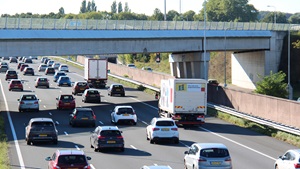
Als je aangifte belasting van personenauto’s en motorrijwielen (bpm) moet doen en afdragen, kun je in bezwaar als het er niet mee eens bent. Maar het bezwaar is alleen ontvankelijk als je de verschuldigde bpm ook daadwerkelijk betaalt binnen de betaaltermijn. Tot deze conclusie kwam de Hoge Raad in een zaak waarbij bezwaar tegen de verschuldigde bpm was gemaakt, voordat die belasting betaald was.
LEES VERDER
Voor woningen die je voor langere tijd als hoofdverblijf gaat bewonen geldt een verlaagd tarief van 2% of een vrijstelling. Ga je de woning niet als hoofdverblijf bewonen, dan geldt voor de woning een tarief van 8%. Voor andere panden, zoals winkels en bedrijfspanden, geldt een tarief van 10,4%. Voor de hoogte van het tarief is dus van belang wanneer is sprake is van een woning.
Tijdens de wetsbehandeling is aan de orde geweest dat een pand bij de juridische overdracht naar zijn aard bestemd moet zijn als woning om ook als zodanig te worden aangemerkt. De Hoge Raad heeft bepaald dat daarbij van belang is waarvoor het pand oorspronkelijk is gebouwd. Is een woning verbouwd voor een andere vorm van gebruik, dan blijft het naar zijn aard alleen een woning, als er maar beperkte aanpassingen nodig zijn om het weer voor bewoning geschikt te maken.
Bovenstaande uitgangspunten stonden centraal in een zaak die zich afspeelde voor de rechtbank Zeeland-West-Brabant. Een belastingplichtige had een pand gekocht dat bestond uit een voormalige woning, die was samengevoegd met een school, die op zijn beurt weer was verbouwd tot buurthuis met gymzalen. Om te bepalen welk tarief overdrachtsbelasting van toepassing was, diende de rechtbank te bepalen of er al dan niet sprake was van een woning.
De rechtbank stelde vast dat de bewijslast in dit soort geschillen bij de belastingplichtige ligt. Die moest in deze zaak aannemelijk maken dat de panden oorspronkelijk gebouwd waren als woning en ook hun aard als woning hadden behouden.
Uit onder meer bouwtekeningen bleek dat het pand door de verbouwingen tot dorpshuis met sportzaal zonder aanpassingen naar zijn aard niet meer bestemd was als woning. Dat het pand nog wel voor bewoning gebruikt kon worden, deed niet ter zake.
Ook was één van de panden oorspronkelijk bestemd voor ander gebruik dan als woning. Dit pand was groter dan het andere. Met de samenvoeging van beide panden in het verleden was het geheel niet meer aan te merken als ‘oorspronkelijk gebouwd als woning’. Hierdoor was de aard als woning definitief verloren gegaan. Of er slechts beperkte aanpassingen nodig zouden zijn om het pand weer voor bewoning geschikt te maken, deed daardoor niet meer ter zake.
Al met al lukte het de koper dus niet om aannemelijk te maken dat het pand naar zijn aard bestemd was tot bewoning. Gevolg was dat het hoge tarief overdrachtsbelasting in plaats van 2% van toepassing was.

Als je een bestaand pand koopt, moet je meestal overdrachtsbelasting betalen. Het tarief is onder meer afhankelijk van de vraag of sprake is van een woning of niet.
LEES VERDER
Het verbod op uitzendkrachten zal van toepassing zijn voor bedrijven die de volgende activiteiten verrichten: slachten, verwerken, koelen en invriezen van vlees. Voor functies die niet direct samenhangen met de primaire vleesproductie zoals verkoopmedewerkers, of administratief personeel mogen straks nog wel uitzendkrachten worden ingezet.
Let op! Kleine bedrijven die minder dan 20 mensen inzetten vallen niet onder het verbod. Voor de grens van 20 mensen gaat het om het totaal van werknemers die op basis van een arbeidsovereenkomst voor het bedrijf werken en de uitzendkrachten.
Al tijdens een parlementair onderzoek in 2011 is gebleken dat er sprake was van malafide praktijken in de vleesverwerkende industrie. Die misstanden die vooral arbeidsmigranten betreffen omdat die relatief veel in deze sector werken, zijn blijven voortduren. Het gaat dan om zaken als intimidatie, ontslag tijdens ziekte en onderbetaling. De Arbeidsinspectie heeft geconcludeerd dat bij de inzet van uitzendkrachten twee keer zo vaak sprake is van een overtreding van de arbeidswetten.
De vleessector is te weinig actief geweest waar het gaat om het aanpakken van de geconstateerde misstanden. Om die reden gaat de minister ingegrepen.
Het kabinet verwijst naar de in Duitsland opgedane ervaringen, waar een vergelijkbaar verbod eerder is ingevoerd. Volgens het ministerie heeft dat daar bijgedragen aan minder arbeidsongevallen, betere naleving van arbeidsvoorwaarden en meer verantwoordelijkheid van werkgevers voor hun eigen personeel.
Het verbod moet ingaan op 1 maart 2028. Voor bestaande dienstverbanden gaat een overgangstermijn gelden tot 1 juni 2028. Dit betekent dat per 1 juni het uitzendverbod in de vleesketen dus volledig van kracht is. Bedrijven hebben nu dus nog 23 maanden de tijd om zich voor te bereiden.
Let op! De Arbeidsinspectie gaat toezien op de naleving van het verbod.
Over dit wetsvoorstel staat een internetconsultatie open van 3 juli 2026 tot en met 28 augustus 2026.

Vanwege de vele geconstateerde misstanden gaat de minister van Sociale Zaken en Werkgelegenheid de vleessector per 1 maart 2028 verbieden om nog met uitzendkrachten te werken. Er werken relatief veel arbeidsmigranten in de vleessector.
LEES VERDER
Volgens een gerechtshof kon een bv de medische btw-vrijstelling toepassen op de verkoop van testkits, waarmee consumenten zich konden testen op soa’s en hpv. Dit ondanks het feit dat de bv zelf geen BIG-geregistreerde artsen in dienst had. Wat speelde in deze zaak?
De bv werkte samen met een medisch diagnostisch centrum. De consument die de testkit van de bv kocht, kon de test zelf afnemen. Daarna stuurde de consument het monster via Post NL rechtstreeks naar het medisch diagnostisch centrum. Het medisch diagnostisch centrum voerde de laboratoriumanalyse uit en verstrekte de uitslag aan de bv. De consument kon de testuitslag raadplegen op de website van de bv.
De bv had zelf geen BIG-geregistreerde artsen in dienst. Bij het medisch diagnostisch centrum waren wel BIG-geregistreerde artsen in dienst. Bij een positieve diagnose van een soa-test verzorgde de bv in 91% van de gevallen ook de medische nabehandeling door een door haar ingeschakelde huisarts en apotheker. Voor een positieve diagnose van hpv bood de bv alleen medische consulten aan bij een door haar ingeschakelde huisarts, omdat hpv niet met medicijnen is te genezen. Deze nabehandeling was bij de prijs van de testkit inbegrepen.
De dienst die de bv verrichte aan de consumenten bestond uit het aanbieden van laboratoriumonderzoek naar soa’s en hpv. Deze dienst had de diagnose, behandeling en genezing van ziekten of gezondheidsproblemen tot doel. Daarom kwalificeerde de dienst als de ‘gezondheidskundige verzorging van de mens’, hetgeen een van de voorwaarden is om de medische btw-vrijstelling te kunnen toepassen.
Een andere voorwaarde voor de medische btw-vrijstelling is dat de medische dienst wordt uitgevoerd door een BIG-geregistreerde beroepsbeoefenaar. Volgens het gerechtshof voldeed de bv ook aan dit vereiste, omdat de bv tijdens haar dienstverlening gebruik maakte van de BIG-geregistreerde medici van het medisch diagnostisch centrum en de ingeschakelde huisarts. Daarmee kon de bv het voor de medische btw-vrijstelling vereiste kwaliteitsniveau garanderen, waardoor het niet uitmaakte dat deze BIG-geregistreerde artsen niet bij de bv in dienst waren.
Als je de medische btw-vrijstelling wilt toepassen, check dan goed of je aan alle voorwaarden voldoet. Er moet dus sprake zijn van de gezondheidskundige verzorging van de mens en de dienst moet worden verricht door BIG-geregistreerde beroepsbeoefenaren. Daarnaast moet de dienst gericht zijn op de individuele patiënt. Bovendien moet de dienst behoren tot het deskundigheidsgebied van de betrokken beroepsbeoefenaar en onderdeel uitmaken van de BIG-opleiding.
Let op!De voorwaarden zijn niet eenvoudig toe te passen. Overleg over je eigen situatie daarom met onze adviseurs.

Kan een bv de btw-vrijstelling toepassen op de verkoop van testkits voor testen op soa’s en hpv? En maakt het daarbij uit dat de bv zelf geen BIG-geregistreerde artsen in dienst heeft?
LEES VERDER
Een inwoner van Nederland woonde en werkte meer dan 17 jaar in Duitsland. Hij was gedurende die tijd verplicht verzekerd voor de Deutsche Rentenversicherung (een Duits pensioen). Van de premies die hij voor dit Duitse pensioen betaalde was 45 procent aftrekbaar in Duitsland.
In 2018 woonde hij het hele jaar in Nederland en ontving hij uitkeringen uit het Duitse pensioen. De Belastingdienst belaste het volledige bedrag van de uitkeringen.
De belastingplichtige vond dat niet terecht en stelde dat Nederland slechts mocht heffen over 45% van de uitkeringen omdat destijds ook maar 45% van de premies aftrekbaar waren in Duitsland. Het gerechtshof volgde hem in dit standpunt en belaste alleen 45% van de uitkeringen en de andere 55% niet.
De Hoge Raad liet dit oordeel in stand. De uitkeringen waren dus slecht belast voor zover de premies aftrekbaar waren geweest.

Het in Duitsland opgebouwde pensioen van een inwoner van Nederland mocht volgens de Hoge Raad niet geheel door Nederland belast worden. Wat speelde hier?
LEES VERDER
De Verlofwet moet zorgen voor een eenvoudiger systeem van verlofvormen. Het betreft een administratieve vereenvoudiging. Dit betekent dat voorwaarden en kenmerken zo veel mogelijk gelijk worden getrokken. Bestaande rechten, zoals de verlofduur en betalingshoogte, blijven zoveel mogelijk gelijk. De Wazo wordt met dit wetsvoorstel geheel herschreven en geherstructureerd.
Let op! Gekozen is voor de nieuwe naam Verlofwet omdat deze beter aansluit bij de inhoud van de wet. Het past ook beter dan de naam “Wet arbeid en zorg”, omdat niet alle regelingen gaan om het verlenen van zorg. Zo regelt de nieuwe wet niet het vakantie- of ziekteverlof.
De verlofregelingen in het wetsvoorstel zijn ingedeeld in drie pijlers:
Let op! Bij zelfstandigen wordt straks gekeken naar het inkomen van de zelfstandige (de winst) in plaats van naar het aantal gewerkte uren, omdat dit een representatiever criterium is.
Er komt één regeling waarbij het kort- en het langdurend zorgverlof wordt samengevoegd tot een verlof van in totaal acht weken. Hierbij blijven de eerste twee weken betaald tegen 70% van het loon en de overige zes weken onbetaald. De regeling wordt door de samenvoeging breder inzetbaar. Het zorgverlof kan straks ook gebruikt worden voor hulp aan naasten (bijvoorbeeld mantelzorg) en palliatieve zorg.
Het calamiteiten- en kortverzuimverlof wordt opgenomen in het kortverzuimverlof. Voor het overige wijzigt er niets.
Werkgevers moeten voortaan een werknemer tijdens het verlof met recht op uitkering voorzien van een loon vervangende betaling. Dit vraagt financiële ruimte bij de werkgever. Om werkgevers tegemoet te komen wordt het mogelijk alle uitkeringen vooraf bij het UWV aan te vragen. Hiermee is de periode tussen de loon vervangende betaling en de uitbetaling van de uitkering door UWV zo kort mogelijk.
Ook moeten werkgevers een inschatting maken van het dagloon. Dit kunnen ze doen door te kijken naar het SV-loon (sociale verzekeringsloon) van de werknemer in de referteperiode. Op die manier kan zo dicht mogelijk bij het dagloon worden aangesloten.
Let op! De internetconsultatie loopt van 29 juni 2026 tot en met 10 augustus 2026. Het nieuwe verlofstelsel zou op 1 januari 2028 moeten ingaan.

Het kabinet wil de huidige wet Arbeid en zorg (Wazo) vervangen door de Verlofwet. Het wetsvoorstel hiervoor is ter internetconsultatie aangeboden.
LEES VERDER
Please note! Not all the points listed below are taken from the 2027 Tax Plan. Some changes had already been decided upon, but adjustments have since been made to them.
From 2027, the government will be scaling back various tax benefits for entrepreneurs.
The entrepreneur’s allowance reduces the profit on which an entrepreneur pays income tax. From 2027, further cuts will apply to various components of this allowance.
Please note! This scheme applies to self-employed people who do not meet the 1,225-hour criterion but do meet the reduced 800-hour criterion and are entitled to incapacity benefit.
The cessation allowance and the rates for the co-worker allowance will cease to apply at the start of the third calendar year following the year in which the reduction takes effect. As the changes come into force in 2027, the schemes will therefore cease to apply on 1 January 2030.
As of 1 January 2028, another tax benefit for business owners will be abolished: the discretionary depreciation scheme for start-ups.
Start-up business owners, those planning to cease trading within a few years, and business owners with a co-working partner will be particularly affected. The choice between a sole trader, a general partnership (VOF) or a private limited company (BV) therefore once again requires a calculation based on actual profits and personal circumstances.
Please note!If there are significant changes to your profits, business partnerships or business succession, have a fresh assessment carried out to determine which legal form is best suited to your business.
Tip! Due to the higher aggregate income, benefits may also change. You should therefore check your estimated income for benefit purposes in good time for 2027 and 2028.
Employers may, with retroactive effect up to and including 1 January 2026, reimburse a maximum of €0.25 per business kilometre tax-free. This was previously €0.23. The increase also applies to commuting. The government is now enshrining this increase in law with retroactive effect.
Please note!The increase does not automatically mean that every employee is entitled to €0.25 per kilometre. This depends on the employment contract, the collective labour agreement and the employer’s own mobility policy. For employers, a higher allowance may lead to higher wage costs.
The discretionary allowance on the first €400,000 of the taxable wage bill will increase from 2% to 2.16% with effect from 1 January 2027. This will give you a maximum of €640 extra discretionary allowance per year. This increase was adopted earlier and is therefore not part of the 2027 Tax Plan.
Tip! Update your staff handbook, expense claim policy and payroll administration in good time, and assess whether a higher mileage allowance is desirable from both a financial and employment conditions perspective. Does your organisation offer staff discounts on sector-specific products? If so, consider what the end of this exemption will mean. This will mainly affect the retail and manufacturing sectors.
If, as an employer, you make a passenger car with emissions available to an employee for private use from 2027 onwards, you will be subject to a pseudo-final levy of 12 per cent of the list price. This levy is in addition to the employee’s additional tax liability and must not be passed on to the employee. Transitional provisions apply to cars made available before 1 January 2027.
The pseudo-final levy was already adopted last year, but following consultation, four amendments are being proposed.
The ‘youngtimer’ scheme will be scaled back more gradually than previously stipulated, and the changes will be less far-reaching. The additional tax liability will continue to be based on the market value, but the age limit will rise from 16 years to 17 years in 2027 and to 20 years from 2028 onwards. The previously planned rapid increase to 25 years from 2027 will therefore not go ahead.
Transitional provisions apply to cars that have already been made available by 31 December 2025 at the latest and which will be 17 years old in 2027. These cars may continue to benefit from the youngtimer scheme throughout 2027. From 1 January 2028, the scheme will only apply to cars older than 20 years.
For employers, the decision to provide a company car is becoming increasingly important, particularly due to the ‘pseudo-final levy’. The contract term, drive type and the date on which a car is first made available can have significant tax implications. As a result, an existing lease plan may turn out to be much more expensive or, conversely, much more attractive.
Tip! Before making any new leasing decisions, carefully assess the total employer costs, the employee’s additional tax liability, the lease term and the transitional tax rules.
Normally, the thresholds for tax bands and various tax credits in Box 1 rise in line with inflation. This means that the tax burden normally remains the same as income rises, in line with inflation.
In 2027 and 2028, the government will apply the inflation adjustment only partially. Without this measure, the inflation adjustment for 2027 would amount to 2.6 per cent. Of this, 48 per cent will be applied. As a result, tax band thresholds and tax credits will rise less in line with inflation. Incidentally, the 48 per cent is not applied to the second tax bracket threshold, which therefore remains the same in 2027 as in 2026. The first tax bracket threshold rises from €38,883 to €39,247. The second tax bracket threshold remains at €78,426.
At the same time, the Box 1 rates are changing. For taxpayers under the state pension age, the rate in the first tax bracket will rise by 0.48 per cent: from 35.75 per cent in 2026 to 36.23 per cent in 2027. The rate in the second tax bracket will rise by 0.60 per cent: from 37.56 per cent to 38.16 per cent. The rate in the third tax bracket remains at 49.50 per cent.
Due to the increase in rates and limited indexation, the tax burden in Box 1 will rise. This effect is mitigated for homeowners who can also deduct their mortgage interest at the higher rate of up to 38.16%.
Please note! Always assess your salary, dividends and profits in conjunction with one another. The tax burden may in fact be unexpectedly higher, as the general tax credit depends on your aggregate income. This may therefore also fall as a result of a dividend payment.
Box 3 taxes private assets, such as savings, investments and a second home. Under the current system, the tax authorities calculate the return largely using flat-rate figures. If your actual return is lower, you can provide evidence to the contrary, subject to certain conditions.
The Government has provisionally deferred consideration of the ‘Actual Return on Box 3’ Bill. It will present a new proposal in the 2027 Spring Memorandum. Consequently, the intended introduction on 1 January 2028 will not take place, or at the very least, this date remains uncertain. The Government is re-examining whether a capital gains tax would be more appropriate than a capital appreciation tax.
Under a capital appreciation tax, even an unrealised increase in value is taken into account annually. Under a capital gains tax, tax is only levied upon, for example, the sale of an asset. For entrepreneurs and directors/major shareholders with investments, let property or other assets that are difficult to sell, this makes a significant difference.
Please note!Until a new system comes into force, it remains important to keep accurate records of interest, dividends, rent, costs and changes in value. This information is required for the rebuttal scheme and for weighing up whether to invest privately or through a private limited company.
Tip! Do not wait for the new system. Record the actual return on each asset annually and retain the supporting documents.
The government is making various tax schemes for investment and innovation more attractive. For example, the energy investment allowance will rise from 40% to 45.5% with effect from 1 January 2027. Are you investing in qualifying energy-efficient business assets? If so, you’ll be able to deduct a larger portion of your investment from your profits.
The tax relief for research and development work is also being extended. The flat-rate hourly wage will rise from €29 to €33. This scheme reduces the payroll tax you, as an employer, pay when your employees are working on technically new products, processes or software.
Does your business make use of the innovation box? This scheme is also being made more attractive. From 1 January 2027, the maximum flat-rate amount will rise from €25,000 to €100,000 per year. The flat rate remains capped at 25% of profit. The current three-year application period will also remain unchanged. This allows you to have a larger proportion of your profit taxed at the lower Innovation Box rate.
Tip! Do you wish to make use of the energy investment allowance? Before entering into any commitments, check whether the business asset is included on the energy list. Then submit your application to RVO within the applicable three-month deadline.
To stimulate innovation and growth in specific young enterprises, the government is introducing an attractive tax scheme for employee share options at start-ups and scale-ups.
In principle, the employee pays tax when they actually sell the shares acquired through the options. After deducting the exercise price attributable to the shares, only 65 per cent of the benefit is taxed as income, subject to certain conditions. If the employee sells the share option right rather than the shares themselves, this lower tax base does not apply. The employee may also opt in writing for earlier taxation at the time the option right is exercised or as soon as the shares become tradable.
The scheme applies only to companies that qualify as start-ups or scale-ups and hold a decision from RVO. This decision is valid for eight years from the date of issue. Subject to certain conditions, you may extend the decision in five-year increments, up to a maximum total duration of 23 years. In addition, in principle, there must be a minimum period of two years between the grant of the share option and the sale of that option or the shares resulting from it. If the employee sells earlier due to a sale following the company’s initial public offering (IPO), an exception applies and the rule does apply.
The scheme is due to come into force on 1 January 2027. The definitive date of entry into force will be determined by Royal Decree. Share option rights granted on or after 17 April 2025 may also be eligible for the scheme. For this to apply, the share option rights must not yet have been included in payroll tax as at 31 December 2026, and the other conditions must be met. In that case, your company must apply to the RVO for the decision by 31 December 2027 at the latest.
Tip! Check in good time whether your company is eligible for an RVO decision. Also consider whether employee participation can help you attract, reward and retain talent.
Employers must also pay a so-called ‘freedom contribution’ to fund rising defence expenditure. The government intends to collect most of this additional burden through an increase in the contribution to the Disability Fund (Aof). According to estimates, this increase will generate €1.5 billion in additional contribution revenue in 2027. From 2028 onwards, this will amount to €1.7 billion per year on a structural basis.
The high and low Aof contribution rates have not yet been finalised. The contribution rates will be announced at a later date, alongside the annual contribution rates for employees’ insurance schemes. As a result, it is not yet clear exactly how much your employer’s contributions will increase.
Tip! Allow for higher employer’s contributions in your 2027 staff budget. Adjust your payroll cost calculations as soon as the high and low AOF contribution rates for 2027 have been officially set.
Are you buying a property in which you will not be living yourself on a long-term basis? If so, you will pay transfer tax at the standard residential rate. This applies, for example, to a let property or a holiday home. From 1 January 2027, this rate will fall from 8% to 7%. The 2% rate for a property in which you will be living yourself and the first-time buyer’s exemption remain unchanged.
Please note! This reduction does not apply to commercial premises. In the case of mixed-use properties, conversions and property development projects, there may be some debate as to which part qualifies as a residential property. The use and condition of the property at the time of acquisition play an important role in this regard.
Due to the rate reduction, it may be worth reconsidering the timing of the transaction. You should also take other factors into account, such as financing, return on investment, VAT and the legal structure.
Tip! Before signing the purchase agreement, have an assessment carried out to determine which rate applies to your situation. In doing so, investigate whether it is sensible and feasible to postpone the transfer of title at the solicitor’s office until after 1 January 2027.
Certain non-reimbursed healthcare costs are currently tax-deductible under specific conditions. These include specific medicines, medical aids, dietary costs, transport and additional family care. The relief only applies after any reimbursements and an income-related threshold have been taken into account.
The Government is abolishing the deduction for specific healthcare costs with effect from 1 January 2028. The associated scheme for reimbursement of specific healthcare costs, the TSZ scheme, will also be abolished. For people with a chronic illness, the Government is working on a targeted compensation scheme. The bill does not include any transitional provisions. The measure primarily affects people with a chronic illness, a disability or structurally high, non-reimbursed healthcare costs. Entrepreneurs and directors/major shareholders may also face higher net personal tax liabilities as a result. The financial impact varies greatly, as not every out-of-pocket healthcare expense is currently tax-deductible.
Tip! Make a list of your recurring deductible healthcare costs. This will show which tax benefits may be lost from 2028 onwards and to what extent a future compensation scheme will cover them.

What tax proposals for entrepreneurs did the Dutch Government announce on Prince’s Day 2026? We have listed ten key proposals for you.
READ MORE
The entrepreneur’s allowance comprises the self-employed person’s allowance (in Dutch: zelfstandigenaftrek), the allowance for research and development (in Dutch: aftrek voor speur- en ontwikkelingswerk), the co-worker’s allowance (in Dutch: meewerkaftrek), the start-up allowance in the event of incapacity for work (in Dutch: startersaftrek bij arbeidsongeschiktheid), and the cessation allowance (in Dutch: stakingsaftrek). These allowances may be deducted from business profits for the purposes of income tax.
Foreign taxpayers are taxed in the Netherlands to the extent that they receive Dutch income. Dutch income includes, amongst other things, the profit generated by a foreign entrepreneur’s permanent establishment in the Netherlands. The question is whether the entrepreneur’s allowance may be deducted in full from the profit of this permanent establishment or whether a different allocation must be made?
For the portion of the foreign entrepreneur’s profit that is taxable in the Netherlands, the letter of the law first requires the global profit to be determined, i.e. the foreign entrepreneur’s total profit, including profit earned outside the Netherlands. The Tax and Customs Administration states that the entrepreneur’s allowance and the SME profit exemption (in Dutch: mkb-winstvrijstelling)are deducted in full from these worldwide profits. The profit taxable in the Netherlands is that part of the worldwide profit, after deduction of the entrepreneur’s allowance and the SME profit exemption, which is attributable to the Dutch permanent establishment.
The business allowance is therefore not deducted in full from the profits of the permanent establishment, but in proportion to the ratio of Dutch profits to total worldwide profits.
The Tax and Customs Administration states that the portion of the SME profit exemption that may be charged against the profit taxable in the Netherlands must be determined in the same way as for the entrepreneur’s allowance.
Please note! According to the Tax and Customs Administration, the fact that the entrepreneur’s allowance and the SME profit exemption must be determined in the manner described above also follows from a 2010 ruling by the Supreme Court (in Dutch: Hoge Raad).

The Tax and Customs Administration has provided an answer to the question of whether an entrepreneur residing abroad is entitled to deduct the full business allowance (in Dutch: ondernemersaftrek) from their Dutch profits.
READ MORE
In principle, the Tax and Customs Administration has eight weeks to process your VAT refund claim. If this takes longer, you are entitled to compensation for tax interest provided that the VAT refund relates to a previous year and 1 April has already passed.
Example
The Tax and Customs Administration receives your request for a VAT refund for the fourth quarter of 2025 on 20 January 2026. If you have not yet received a refund decision from the Tax and Customs Administration by 1 April 2026, you are entitled to compensation for tax interest from 1 April 2026.
The period over which tax interest is calculated begins on 1 April or eight weeks after receipt of your claim (if this is later than 1 April). The period runs until fourteen days after the date of the refund decision.
Continuation of example
If the Tax and Customs Administration issues a refund decision dated 15 June 2026, it must reimburse 5% tax interest for the period from 1 April 2026 up to and including 29 June 2026.
Has the Tax and Customs Administration wrongly rejected your VAT refund claim? If so, you must lodge an objection in good time, i.e. within six weeks of the date of the rejection notice. If the Tax and Customs Administration subsequently grants the VAT refund, you are also entitled to reimbursement of tax interest.
Please note! In response to enquiries on this matter, the Tax and Customs Administration has stated that there is no entitlement to reimbursement of tax interest if the original application for a VAT refund was submitted too late and/or if the appeal against the rejection notice was lodged too late.

Have you applied for a VAT refund and is the processing taking a long time? If so, you may be entitled to compensation for tax interest.
READ MORE
It is laid down in law that taxpayers have the right to inspect their own tax files held by the Tax and Customs Administration. In the letter, the State Secretary sets out how the implementation of this right of access to tax files will take shape in the coming years, what the intended timetable is and what exceptions will be made to the right of access.
At present, the Tax and Customs Administration does not yet have a centralised file system: the information in the tax file remains highly fragmented across dozens of unlinked systems. To facilitate the right of access to tax files, the Tax and Customs Administration will therefore need to implement a change in its working methods. The aim is to achieve a structured, externally oriented and accessible filing system, according to the State Secretary. The documents in the tax file will be made available digitally in stages over the coming years.
Under the ‘Keuze digitaal’ programme currently being implemented within the Tax and Customs Administration, decisions, invitations, reminders and submitted documents will gradually become available on MijnBelastingdienst (Business) by 2030. This will later be expanded to include standard letters and automated messages, followed by information from individual files, for example regarding the processing of a tax return.
The letter also sets out a provisional timetable, which includes the planned introduction of the right of access to tax records:
For Customs, the right of tax inspection would only apply to excise duties and consumption taxes. However, the State Secretary is excluding these levies from the right of tax inspection. The State Secretary points out that this does not mean that Customs is not committed to further improving the information position and legal protection of taxpayers.
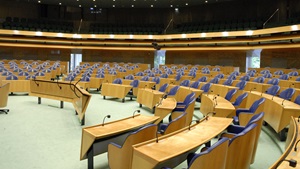
In a letter to the House of Representatives, the State Secretary for Finance has outlined the current situation regarding the introduction of the right of access to tax records. This right of access will be introduced in phases.
READ MORE
The introduction of the legal presumption does not mean that every contractor working at an hourly rate below €38 is automatically employed by the company. It does, however, mean that the presumption of an employment relationship is accepted. The contractor may rely on this presumption, but the company has the option to demonstrate that no employment contract exists.
If the company fails to prove this, the contractor is entitled to all the protection afforded by employment law. This includes continued payment during holidays and sick leave, and protection against dismissal
The contractor may rely on the legal presumption, but it has effect only under civil law. This means that the UWV, the Tax and Customs Administration and the Labour Inspectorate will not assess this legal presumption. They will continue to carry out their own investigations based on the elements of work, pay and a relationship of authority.
The legal presumption will come into force immediately on 31 December 2026. Do you have a contractor who is already carrying out work for you before 31 December 2026 at an hourly rate of less than €38? And will that contractor still be doing so from 31 December 2026 onwards? If so, from 31 December 2026 there will be a presumption that this contractor is employed by you.

The legal presumption of an employment contract for an hourly rate below €38 will come into force on 31 December 2026. What does this mean for you as a client or company?
READ MORE
Solvit is a body established by the European Commission that mediates in disputes regarding the correct application of EU law. Solvit’s services are free of charge.
The issues you can bring to Solvit are diverse. These include problems related to visas, child benefits, or pensions. For businesses, issues concerning trade and services, the recognition of professional qualifications, and VAT refunds are particularly relevant.
Please note!You cannot use Solvit if you have a problem with another business, if you have a problem as a consumer, or if you are seeking compensation. Solvit also cannot help if your case has been brought before a court.
A complaint or problem can be submitted online. You must indicate the nature of the problem and which government agency you wish to report the issue to. You may also attach relevant documents, such as correspondence. After submission, the Solvit center in your own country will contact you to prepare your case and then forward it to the Solvit center in the country to which your complaint relates. The goal is to resolve a problem within ten weeks.
On the Solvit website, you’ll find numerous examples of cases that have been resolved with Solvit’s help. These include, for example, the failure to refund VAT or delays in doing so. Another case involves the refusal to issue a certificate of inheritance. Yet another example involves the refusal to allow a product onto the French market, even though it complied with European regulations.
Solvit can also be contacted if you need advice on your EU rights. If necessary, you will be referred to services that can provide better assistance. Requests for advice are answered within a week.

Are you, as a citizen or business, facing problems because a government agency in another EU country, Iceland, Liechtenstein, or Norway is not complying with EU law? If so, you can try to resolve this through Solvit.
READ MORE
If you owe taxes, you will receive a notice from the Tax and Customs Administration. The new account number will be included in the notice regarding the taxes due.
Please note!The new account number does not affect the payment method. For example, online payments will still be possible.
If you pay the Tax and Customs Administration periodically via direct debit, you do not need to do anything. The payments will be automatically transferred to the new account number.
You only need to be careful if you have arranged a recurring payment differently, for example via a recurring transfer with your bank. In that case, you must ensure that the account number is updated yourself.
If you accidentally use the “old” account number for a payment to the Tax Authority, your payment will still be forwarded to the Tax Authority and processed there for the time being. The Tax Authority has made arrangements with ING regarding this, so that taxpayers are not penalized.
To pay a provisional or final income tax assessment, you can use the new account number starting April 20, 2026.
The Benefits Service is also switching to Rabobank and will therefore have a new account number starting May 1, 2026. From that date, you can make payments to the Benefits Service using the new account number NL04 RABO 0200112244. The Benefits Service will make its first payments from this number on Monday, June 22, 2026.
Please note! Here too, if you make a payment to the old account number, the payment will be forwarded to the Tax and Customs Administration’s new account number for the time being.
Due to the change in account numbers, the Tax and Customs Administration strongly warns against phishing. Criminals regularly attempt to collect non-existent tax debts from taxpayers via email, text message, WhatsApp, or by phone. However, the Tax and Customs Administration never collects taxes in this manner. If you are unsure whether a message is genuine, follow the step-by-step guide on the Tax and Customs Administration’s website and verify the account number.

As of May 1, 2026, the Dutch Tax and Customs Administration and the Benefits Service will switch from ING to Rabobank. This means that the account numbers will also change.
READ MORE
For businesses that buy or sell goods, cash payments of €3,000 or more will no longer be permitted starting January 1, 2026. It does not matter whether the business is buying from or selling to another business or to a private individual. In all cases, cash payments of €3,000 or more are prohibited.
Please note! A private individual may accept a cash payment exceeding €3,000 from another private individual, for example, when selling on a marketplace.
The €3,000 limit is intended to make it more difficult to launder cash derived from illegal transactions and thereby also combat terrorism. The limit is also intended to ensure that payment transactions remain accessible.
The fine for violating the ban is set at a fixed base amount of €10,000. The Wwft Supervision Bureau, a division of the Tax and Customs Administration, oversees compliance with the ban.
Special circumstances, such as financial capacity, may justify reducing the fine. On the other hand, repeated violations of the prohibition may justify increasing the fine. For example, a fine of €20,000 may be imposed if the prohibition is violated again within five years of a previous fine.
Please note! Criminal proceedings may also be initiated under the Economic Offenses Act.

Starting January 1, 2026, Dutch merchants may no longer make or accept cash payments of €3,000 or more. The base amount of the fine for violating this prohibition is a fixed amount of €10,000.
READ MORE
It is particularly common among migrant workers for employers to provide accommodation and deduct an amount from the employee's wages for this. In the case of the minimum wage, this deduction may still be a maximum of 25% of that wage in 2025.
The government believes that the deduction can encourage a model of earning and dependence on the employee. This can lead to the exploitation of migrant workers. The government therefore wants to abolish the scheme.
The proposal is to reduce the deduction by 5% per year from 2026 and to completely abolish the possibility of deducting housing costs from the statutory minimum wage from 2030.
| Year | Maximum deduction percentage |
| 2025 | 25 |
| 2026 | 20 |
| 2027 | 15 |
| 2028 | 10 |
| 2029 | 5 |
| 2030 | 0 |
Tip! Employers will still be allowed to provide housing for their employees from 2030 onwards. However, it will no longer be possible to deduct part of the costs from the statutory minimum wage.
The proposal has been submitted for internet consultation. Responses to the proposal can be submitted until June 6, 2025.

In the Netherlands in 2025, employers will be allowed to deduct a maximum of 25% of the minimum wage from an employee's statutory minimum wage to cover the costs of housing. The proposal off the Dutch government is to reduce this percentage by 5% annually from 2026 to 2029.
READ MORE

Contact
Schoutlaan 7
6002 EA Weert
0495 53 07 55
info@w-o.nl
W&O Accountants en Adviseurs
Algemene Voorwaarden
Klachtenregeling
Klokkenluidersregeling
Privacyverklaring
W&O Registeraccountants
Algemene Voorwaarden
Klachtenregeling
Klokkenluidersregeling
Privacyverklaring
