
De Hoge Raad sprak onlangs zijn oordeel uit over twee belastingplichtigen die elk een bouwkavel kochten op een perceel waarop zich nog een woning bevond. Beiden wilde het tarief het lage tarief van 2% toepassen omdat zij vonden dat zij voor de overdrachtsbelasting een woning verkregen.
De Hoge Raad oordeelde dat aan de hand van het civiele recht bepaald moet worden of sprake is van de verkrijging van een woning. De Hoge Raad onderscheidt daarbij drie situaties:
Als u de bouwkavel koopt om daarop een woning te bouwen die u als hoofdverblijf gaat gebruiken, kan de overdracht van de bouwkavel bij de notaris tegen 2% overdrachtsbelasting (of 0% als u de startervrijstelling kunt toepassen) als de aanschaf kan worden aangemerkt als koop van een woning. Is dat niet het geval, dan bedraagt de overdrachtsbelasting 10,4%!
In de ene casus die voorlag bij de Hoge Raad bevond zich op de kavel nog 55% van de oppervlakte van een woning. De andere 45% bevond zich op een kavel die bestemd was voor een ontsluitingsweg. De Hoge Raad oordeelde dat deze twee kavels gezamenlijk eigenaar geworden waren van de woning. De koper van de kavel met 55% van de woning had daarmee een onverdeeld aandeel in de woning verkregen. Onder de huidige wetgeving zou in dit geval dus het 2% tarief overdrachtsbelasting kunnen worden toegepast.
De andere casus liep minder voorspoedig af. In deze casus bevond zich op de kavel voor minder dan 1% nog een buitenmuur van een woning en voor een deel een terras. De Hoge Raad vond de buitenmuur een bestanddeel van een woning. Nu de hoofdzaak van de woning op andere kavels lag, hoorde dit bestanddeel toe aan anderen. De koper van de kavel verkreeg daarom geen woning. In dit geval zou daarom onder de huidige wetgeving 10,4% overdrachtsbelasting verschuldigd zijn.
Let op! Welk tarief overdrachtsbelasting u verschuldigd bent, is zeker in dit soort gevallen, niet eenvoudig. Laat u daarover daarom goed adviseren.

Koopt u een bouwkavel die onderdeel is van een groter perceel? En bevinden zich op dit perceel, ten tijde van de overdracht bij de notaris, nog (een of) meer woningen? Dan is het afhankelijk van welke bouwkavel u koopt of u 10,4 of 2% overdrachtsbelasting verschuldigd bent.
LEES VERDER
Een docent treedt na het bereiken van de AOW-leeftijd in dienst. Hij is gedurende het dienstverband ingezet als docent voor de zogeheten Internationale Schakelklas. In die klas geeft hij nieuwkomers in Nederland les. Hij heeft formeel geen bevoegdheid om les te geven. Negen jaar lang krijgt hij een jaarcontract aangeboden, waarbij het laatste contract door de werkgever niet meer verlengd wordt. In de cao staat dat docenten zonder onderwijsbevoegdheid nooit een vast contract kunnen krijgen.
De werknemer kwalificeert het door de werkgever beoogde einde van rechtswege en het feit dat hij niet meer tewerk is gesteld en geen loon meer heeft ontvangen, als opzegging. Hij berust nu in die opzegging, maar maakt wel aanspraak op een billijke vergoeding, omdat die opzegging onregelmatig was.
De werknemer claimt een vast contract op basis van de wettelijk geregelde ketenregeling, welke inhoudt dat er maximaal drie contracten in drie jaar tijd mogen worden afgesloten. De werkgever erkent dit, maar verwijst daarentegen naar zowel de Wet voortgezet onderwijs 2020 als de cao Voortgezet Onderwijs 2024-2025. Beide bepalen dat onbevoegde docenten niet in dienst kúnnen zijn op basis van een arbeidsovereenkomst voor onbepaald tijd. In die ‘botsing’ tussen twee wettelijke en cao-regimes, komt de beperking van de mogelijkheden voor onbevoegde docenten als winnaar uit de strijd, aldus de werkgever.
De rechter oordeelt dat de ketenregeling – die overigens ook letterlijk in de cao herhaald is – een wezenlijk onderdeel van het arbeidsrecht is, dat ingericht is ter bescherming van de werknemer. Een dergelijk wezenlijke beschermingsbepaling kan niet ondergraven worden door een branche-specifieke bepaling die niet arbeidsrechtelijk van aard is, maar gericht is op optimalisatie van de kwaliteit van het onderwijs. Het is aan de werkgever om die wettelijke regels toe te passen en te zorgen dat zij daaraan voldoet.
Dit houdt in dat sprake is van contract voor onbepaalde tijd, welk contract de werkgever niet volgens de regels heeft opgezegd. Hij ging immers uit van een einde van rechtswege. De werkgever is op basis van de cao verplicht een docent met onderwijsbevoegdheid in te zetten, zodra deze beschikbaar is. De docent zonder onderwijsbevoegdheid moet dan plaatsmaken, ook al is er niets aan te merken op de wijze van lesgeven van de betreffende docent. Er was een docent met onderwijsbevoegdheid beschikbaar. Dat de arbeidsovereenkomst dus uiteindelijk zou eindigen staat vast.
Hoewel zonder kwade bedoelingen gedaan, heeft de werkgever de werknemer vanuit zakelijk oogpunt wel erg lang laten ‘bungelen’ in onzekerheid door steeds jaarcontracten af te sluiten (terwijl dat eigenlijk niet meer mocht) en dat heeft werkgever al die tijd – ook nog in de aanloop naar en tijdens de procedure – vastgehouden, terwijl zij beter had moeten weten. Deze onhandige en ongelukkige gang van zaken wil de kantonrechter tot uitdrukking brengen in de vergoeding.
De kantonrechter stelt de billijke vergoeding daarom vast op € 13.500, zijnde het salaris van vijf maanden. Dit zou de meest waarschijnlijke datum zijn waarop het dienstverband voor onbepaalde tijd rechtsgeldig geëindigd zou zijn. Gelet op de handelwijze van de werkgever verhoogt de kantonrechter de uiteindelijke vergoeding naar € 15.000.

Soms zijn de bepalingen die in een cao staan strijdig met bepalingen in de wet, zoals de ketenregeling. Wat is bepalend bij het wettelijk maximaal aantal toegestane contracten voor bepaalde tijd? De afspraken in de wet over de ketenregeling of de afspraken in de cao?
LEES VERDER
Tip! Voor meerderjarige jongeren tot 35 jaar bestaat er, onder voorwaarden, een eenmalige vrijstelling als de woning niet meer kost dan € 555.000 (2026) én als hoofdverblijf dient.
In een zaak die voor rechtbank Noord-Holland werd behandeld, ging het om een woning die na aankoop binnen drie maanden weer werd doorverkocht. De vrouw die de woning had gekocht had verklaard dat het de bedoeling was geweest dat ze de woning na verkrijging zelf zou gaan bewonen. Bij de verkoop was 2% overdrachtsbelasting (OVB) in rekening gebracht, maar volgens de inspecteur was dit ten onrechte en dus volgde er een naheffing over het verschil ten opzichte van het hoge tarief.
De vrouw vocht de naheffing aan en stelde dat ze de woning weer had verkocht, omdat ze bij het eerste zelfstandige bezoek aan de woning was getroffen door een paniekaanval. De vrouw was behandeld voor PTSS-klachten en gaf aan dat iets in de woning, een ruimte of een geur, de aanval had veroorzaakt en ervoor had gezorgd dat ze de woning uit was gevlucht. Daarna had ze de woning alleen nog durven te betreden voor het halen van de post en had ze de woning zo snel mogelijk weer verkocht.
Voor de rechter gaf de vrouw aan dat er naar haar mening sprake was van een onvoorziene omstandigheid, waardoor het lage tarief OVB van 2% diende te worden toegepast. Dat ze eerder had aangegeven spijt te hebben gehad van haar aankoop, volgde uit het feit dat ze op basis van eerdere ervaringen niet had durven vertellen dat de paniekaanval de doorslag voor de verkoop had gegeven.
De rechtbank achtte het geloofwaardig dat het de intentie van de vrouw geweest was de woning zelf te gaan bewonen. Dit bleek onder meer uit het feit dat ze offertes had laten maken en een met een aannemer contact had gehad om de woning te laten opknappen en verbouwen. Ook was het aannemelijk dat de vrouw last had gehad van PTSS-klachten. Dat ze hiervoor in het verleden was behandeld, maakte nog niet dat de paniekaanval te voorzien was geweest, zoals de inspecteur aanvoerde.
De rechtbank wees er ook op dat tijdens het tot stand komen van de wet enkele voorbeelden waren genoemd van onvoorziene omstandigheden, zoals een echtscheiding en werkloosheid, maar dat dit geen uitputtende opsomming betrof. De paniekaanval kon dan ook als zodanig bestempeld worden, aangezien de vrouw wel degelijk van plan was geweest de woning zelf duurzaam te gaan bewonen. De naheffingsaanslag kwam dan ook te vervallen.

Bij de aankoop van een woning bent u in 2026 2% overdrachtsbelasting verschuldigd, onder de voorwaarde dat de woning uw hoofdverblijf wordt. Zo niet, dan bedraagt het tarief 8% (2026). Door onvoorziene omstandigheden kan soms van het hoge tarief worden afgeweken. Een casus.
LEES VERDER
Voordeel van het gebruik van de kamerverhuurvrijstelling is dat u in box 1 en box 3 geen belasting betaalt over uw huuropbrengsten. Bovendien blijft uw recht op hypotheekrenteaftrek in stand. U moet wel in uw aangifte inkomstenbelasting rekening houden met het gehele eigenwoningforfait voor uw woning.
U kunt gebruikmaken van de kamerverhuurvrijstelling als u voldoet aan de volgende voorwaarden:
Let op! Onder huuropbrengsten worden alle vergoedingen begrepen die de huurder aan u betaalt en die betrekking hebben op de verhuur.
Kunt u de kamerverhuurvrijstelling niet toepassen? Dan verhuist het verhuurde deel van uw woning naar box 3. Of u daarover dan box 3-heffing verschuldigd bent is afhankelijk van uw overige bezittingen en schulden in box 3.

Bij verhuur van een kamer in uw woning, kunt u misschien gebruikmaken van de kamerverhuurvrijstelling. In 2026 is deze vrijstelling verhoogd naar € 6.633.
LEES VERDER
Welke regels van toepassing zijn, is afhankelijk van uw individuele situatie. In deze advieswijzer komen verschillende situaties aan bod.
Bij de aanschaf van onroerend goed betaalt u overdrachtsbelasting. De overdrachtsbelasting kent vanaf 2026 voor woningen drie tarieven en een vrijstelling.
In 2026 geldt bij de overdracht van een woning die een koper zelf als hoofdverblijf gaat gebruiken, onder voorwaarden, een overdrachtsbelastingtarief van 2%. Dit is niet anders dan in 2025 toen hiervoor ook al het 2%-tarief gold.
Wat wel gewijzigd is, is het tarief voor overige woningen. Verkrijgt u een woning die u niet zelf als hoofdverblijf gaat gebruiken, dan gold daar in 2025 nog een overdrachtsbelastingtarief van 10,4%. Vanaf 2026 is dit tarief 8%. Bij overige woningen moet u denken aan een vakantiewoning, een woning die u koopt voor een studerend kind of een woning die u verhuurt.
Voor de verkrijging van overig onroerend goed blijft het overdrachtsbelastingtarief, net als in 2025, 10,4%.
De vrijstelling van overdrachtsbelasting, de startersvrijstelling, geldt voor jongeren tussen 18 en 35 jaar (dus 18 jaar of ouder en jonger dan 35 jaar) die een eigen woning kopen en deze duurzaam zelf gaan bewonen. De vrijstelling is beperkt tot woningen met een waarde van maximaal € 555.000 (2026).
Tip! Ook voor 2027 is de woningwaardegrens al bekend, deze bedraagt € 615.000.
Let op! Er kan maar één keer gebruik worden gemaakt van de vrijstelling van overdrachtsbelasting.
Let op! Voor toepassing van de vrijstelling is de datum van levering van de woning bij de notaris bepalend. Kocht u in 2025 een woning die pas in 2026 door de notaris geleverd wordt, dan geldt een woningwaardegrens van € 555.000 en dus niet van € 525.000 (de grens in 2025).
Voor een eigenwoninglening geldt dat de rente alleen aftrekbaar is als de lening in maximaal 30 jaar volledig en ten minste annuïtair wordt afgelost. Dit betekent dat de maandelijkse som van rente plus aflossing tijdens de rentevaste periode hetzelfde blijft. Naast de aflossingseis geldt de voorwaarde dat de lening is aangegaan ter verwerving, onderhoud of verbetering van de eigen woning.
Deze regels gelden in principe voor elke lening die vanaf 1 januari 2013 is afgesloten. Het kan echter zijn dat een op of na 1 januari 2013 afgesloten lening onder overgangsregels valt. Er gelden dan geen aflossingseisen. Onze adviseurs kunnen u informeren over uw eigen, specifieke situatie.
De aflossingsverplichtingen moeten bij het aangaan van de lening in de leenovereenkomst zijn overeengekomen en ook worden nageleefd. Als op een lening te weinig wordt afgelost, is de rente op die lening in principe niet meer aftrekbaar. Gelukkig is het mogelijk om, onder voorwaarden, een tijdelijke achterstand in aflossingen te herstellen of een nieuw aflossingsschema af te spreken. Als tijdig aan deze herstelmogelijkheden wordt voldaan, blijft de renteaftrek behouden. Wordt niet tijdig aan deze herstelmogelijkheden voldaan, dan gaat de renteaftrek op dat moment verloren.
Tip! Het verlies aan renteaftrek is niet definitief. Als u de aflossingsachterstand die aanwezig was op het moment van verlies van de renteaftrek weer inhaalt, is de rente vanaf dat moment weer aftrekbaar.
Heeft u een eigenwoninglening waarvoor een aflossingseis geldt en is deze lening niet afgesloten bij een in Nederland gevestigde bank, verzekeraar of andere financiële instelling, dan heeft u een informatieplicht. Deze informatieplicht loopt via uw aangifte inkomstenbelasting voor alle schulden die zijn aangegaan na 31 december 2015 en voor alle wijzigingen in uw eerder afgesloten lening die zich voordoen vanaf 1 januari 2016. Onder de informatieplicht vallen onder andere de NAW-gegevens van de leningverstrekker, de hoogte van de lening, de looptijd en het rentepercentage. Voldoet u niet (tijdig) aan uw informatieplicht, dan is de rente niet aftrekbaar. Als u in een later jaar alsnog de informatie verstrekt, is de rente vanaf het daaropvolgende jaar (weer) aftrekbaar.
Let op! Dit geldt dus ook voor de dga die een lening voor zijn eigen woning heeft afgesloten bij zijn eigen bv.
Vanaf 2014 is de maximale renteaftrek van de hypothecaire lening jaarlijks verlaagd. Voor het jaar 2026 betekent dit dat de rente die aftrekbaar is in de hoogste belastingschijf (49,5%) niet meer tegen 49,5%, maar tegen maximaal 37,56% aftrekbaar is. Deze aftrekbeperking geldt zowel voor leningen die afgesloten zijn na 1 januari 2013 als voor leningen die voor die datum zijn afgesloten.
Voor een oude eigenwoninglening hoeft u niet aan de aflossingseis te voldoen. Een oude eigenwoninglening is een lening die u op 31 december 2012 voor uw eigen woning had (hoofdregel). In een aantal uitzonderingsgevallen wordt ook een na 31 december 2012 afgesloten lening (gedeeltelijk) aangemerkt als een oude eigenwoninglening. Dit kan zich bijvoorbeeld voordoen als in de periode tot eind 2013 sprake is geweest van tijdelijke huur tussen twee eigen woningen in, de aankoop van een andere woning of van het verrichten van onderhoud of verbetering aan de eigen woning. Daarnaast is er een regeling voor expats.
Uw lening blijft aangemerkt als een oude eigenwoninglening als u deze (gedeeltelijk) oversluit, bijvoorbeeld bij het aflopen van uw rentevaste periode of bij de aankoop van een nieuwe woning. Leent u echter een hoger bedrag, dan wordt het extra bedrag aangemerkt als nieuwe eigenwoninglening en is de rente hierover alleen aftrekbaar als aan de aflossingseisen wordt voldaan.
De aftrek van hypotheekrente inzake de eigen woning is beperkt tot maximaal 30 jaar. Bij leningen die vóór 2001 zijn afgesloten, begint deze termijn op 1 januari 2001. Dit betekent dat degenen met een dergelijke hypotheek de rente vanaf 2031 niet meer af kunnen trekken en dus een (fors) hogere maandlast tegemoet kunnen zien. De termijn van 30 jaar gaat iedere keer opnieuw in voor het bedrag waarmee u uw hypotheek verhoogt.
Het is al lange tijd niet meer mogelijk (sinds 2013) om een nieuw spaar-, verzekerings- of beleggingsproduct gekoppeld aan de eigen woning af te sluiten. Heeft u een bestaand spaar-, verzekerings- of beleggingsproduct gekoppeld aan de oude eigenwoninglening, dan wijzigt er niets.
Deze blijft vrijgesteld in box 1. Een gekoppeld spaar-, verzekerings- of beleggingsproduct volgt het overgangsrecht dat geldt voor de oude eigenwoninglening: is uw in 2013 afgesloten lening aan te merken als een oude eigenwoninglening, dan was het ook nog mogelijk om hier in 2013 een spaar-, verzekerings- of beleggingsproduct aan te koppelen.
Tip! In beginsel kunt u vanaf 1 april 2017 vrij gebruikmaken van de vrijstelling voor uw spaar-, verzekerings- of beleggingsproduct. Afkoop is over het algemeen financieel niet aantrekkelijk. Overleg daarom vooraf met onze adviseurs over uw eigen situatie.
Nu de rente op een spaarrekening laag is, is het de vraag of extra aflossen misschien raadzaam is. Aflossen heeft verschillende fiscale en financiële gevolgen. We zetten er een aantal op een rij:
Let op! Of het raadzaam is om af te lossen op uw hypothecaire lening, is volledig afhankelijk van uw persoonlijke omstandigheden. Mogelijk heeft u uw spaargeld op een later moment voor andere doeleinden nodig. Gebruikt u uw spaargeld om af te lossen, dan zit dit geld echter ‘vast’ in uw woning en kunt u dit alleen weer vrij besteedbaar krijgen door verkoop van de woning of het afsluiten van een nieuwe lening. Bedenk daarbij dat het niet altijd zal meevallen om een nieuwe lening af te sluiten en dat bovendien de rente die u op deze lening betaalt dan niet meer aftrekbaar is in box 1. Laat u zich daarom goed adviseren over uw persoonlijke situatie.
Als de verkoopopbrengst van uw eigen woning onvoldoende is om uw eigenwoningschuld en de verkoopkosten te dekken, blijft u zitten met een restschuld. Als deze restschuld is ontstaan in de periode tussen 29 oktober 2012 en 31 december 2017, dan mag u de rente over deze restschuld gedurende vijftien jaar na het ontstaan ervan in aftrek brengen in box 1.
U kunt onder voorwaarden ook uw te koop staande lege of gekochte lege eigen woning onder de eigenwoningregeling houden en de rente op de bijbehorende leningen in aftrek blijven brengen; de termijn voor deze verhuisregelingen bedraagt maximaal drie jaar na het jaar waarin u de oude woning heeft verlaten. Voor uw woning die vanaf 2023 leeg te koop staat of voor uw woning die u vanaf 2023 kocht en die in 2026 nog leegstaat of in aanbouw is, heeft u daarom tot en met 31 december 2026 nog renteaftrek.
De regeling kan ook worden toegepast als een woning niet direct wordt aangeboden voor de verkoop, maar pas vanaf het moment waarop de woning wordt aangeboden voor de verkoop. De aftrek van de hypotheekrente is dan dus nog slechts mogelijk voor het restant van de periode waarover de verhuisregeling maximaal kan worden toegepast.
Rentemiddeling biedt een mogelijkheid om tegen een lagere hypotheekrente te lenen zonder dat ineens de boeterente vanwege vervroegd aflossen betaald hoeft te worden. Bij rentemiddeling is de boeterente namelijk niet ineens verschuldigd, maar wordt uitgesmeerd over de nieuwe rentevaste periode. Hiermee wordt een lagere hypotheekrente ineens bereikbaar voor een veel grotere groep.
De boeterente bij rentemiddeling is eveneens aftrekbaar. Naast de boeterente kan het rentepercentage ook verhoogd worden met andere opslagen die geen verband houden met de boeterente. Bijvoorbeeld een opslag voor het risico van vroegtijdig aflossen van de hypotheekschuld. Deze andere opslagen, boven op de hypotheekrente en de boeterente, mogen in totaal niet hoger zijn dan 0,2%. In dat geval is er ook sprake van renteaftrek voor de andere opslagen.
Tip! Onderzoek of in uw situatie rentemiddeling een mogelijkheid is.
Bij het Nationaal Warmtefonds kunt u tegen een aantrekkelijke rente een lening afsluiten om uw woning energiezuiniger te maken. Het bedrag van de lening moet liggen tussen de € 1.000 en € 28.000 en de looptijd bedraagt zeven, tien, vijftien of twintig jaar. De lening mag alleen gebruikt worden voor energiebesparende maatregelen. Wilt u maatregelen nemen om uw woning volledig energievrij te maken, dan is een lening mogelijk van maximaal € 28.000. Voor de aanschaf van een thuisbatterij is een lening van maximaal € 8.500 mogelijk. Deze lening moet u binnen zeven, vijftien of twintig jaar aflossen. De hoogte van de rente is afhankelijk van de looptijd van de lening en varieert van 3,66% tot 4,33% (januari 2026). Bedraagt uw verzamelinkomen minder dan €60.000, dan is soms een rente van 0% mogelijk. Inwoners van de gemeentes Capelle aan den IJssel, Den Haag en Leidschendam-Voorburg kunnen via hun gemeente een lager rentepercentage krijgen.
Het btw-tarief op zonnepanelen die u op uw woning legt, is per 1 januari 2023 verlaagd naar 0%. Voor particulieren betekent dit in de meeste gevallen dat men zich niet meer bij de Belastingdienst hoeft aan te melden vanwege de btw en ook geen btw-aangifte meer hoeft te doen. Heeft u uw zonnepanelen aangeschaft vóór 2023, dan is hierover 21% btw gerekend. Deze btw heeft u terug kunnen vragen. U moest daartoe binnen zes maanden na het jaar van aanschaf het formulier ‘Opgaaf zonnepaneelhouders’ naar de Belastingdienst zenden. Na deze periode kunt u echter toch nog vijf jaar na afloop van het kalenderjaar waarin de zonnepanelen zijn gekocht, het formulier inzenden.
Let op! De salderingsregeling van zonnepanelen zorgt er nu nog voor dat de teruggeleverde elektriciteit wordt verrekend met de afgenomen elektriciteit. Met ingang van 1 januari 2027 wordt de salderingsregeling definitief afgeschaft. Vanaf dat moment moeten energieleveranciers wel een redelijke vergoeding betalen voor de teruggeleverde elektriciteit. Die redelijke vergoeding mag tot en met 1 januari 2030 nooit minder bedragen dan 50% van voor de levering overeengekomen prijs.
Is uw woning ouder dan twee jaar, dan bedraagt het btw-tarief voor schilderen, stukadoren en het aanbrengen van isolatiemateriaal geen 21, maar slechts 9%.
Let op! Dit verlaagde btw-tarief geldt vanaf 1 juli 2025 alleen voor woningen die particulier bewoond worden. Panden die deels particulier bewoond worden en deels gebruikt worden als bedrijfspand, moeten gesplitst worden. Het schilderen en/of stukadoren van het deel dat als bedrijfspand wordt gebruikt, moet vanaf 1 juli 2025 worden belast tegen 21%.
De fiscale regels met betrekking tot uw eigen woning zijn niet eenvoudig. Het naast elkaar bestaan van verschillende regelingen kan de uitwerking behoorlijk ingewikkeld maken, zeker bij complexere situaties als verhuizing, echtscheiding, trouwen en overlijden. Neem voor uw eigen, specifieke situatie daarom contact met ons op.
Disclaimer
Hoewel bij de samenstelling van deze Advieswijzer de uiterste zorg is nagestreefd, wordt geen aansprakelijkheid aanvaard voor onvolledigheden of onjuistheden. Vanwege het brede en algemene karakter van de Advieswijzer, is deze niet bedoeld om alle informatie te verschaffen die noodzakelijk is voor het nemen van financiële beslissingen.

Voor de eigen woning gelden duidelijke en strenge fiscale regels. Een lening voor de eigen woning moet bijvoorbeeld aan aflossingseisen voldoen om voor renteaftrek in aanmerking te komen. En die renteaftrek is inmiddels afgebouwd. Wellicht wilt u extra aflossen, maar is dat wel verstandig? Deze en meer zaken die u moet weten bij de aanschaf en het bezit van een eigen woning vindt u hier in een notendop.
LEES VERDER
De extra kosten van een op voorschrift van een arts of diëtist gehouden dieet zijn voor bepaalde ziektebeelden en aandoeningen aftrekbaar voor vaste bedragen. Deze vaste bedragen zijn in 2026 gewijzigd als gevolg van actuele inzichten in diëten en het aanbod van dieetproducten. Voor bepaalde diëten betekent dit een hogere aftrek, voor anderen een lagere aftrek.
Zo stijgt de aftrek voor een energieverrijkt dieet in combinatie met een eiwitverrijkt dieet bij een groot aantal aandoeningen (onder meer groeiachterstand bij kinderen, aids, chronische pancreatis) van € 650 in 2025 naar € 1.050 in 2026. De aftrek voor een glutenvrij dieet bij coeliakie, ziekte van Dühring en glutenintolerantie daalt echter van € 1.200 in 2025 naar € 900 in 2026.
Let op! Er zijn nog veel meer diëten waarvoor aftrek mogelijk is. Kijk voor de aftrekbare bedragen van alle diëten in 2026 hier (Artikel I, B) en voor de aftrekbare bedragen 2025 hier.
De extra kosten die u, in vergelijking met mensen in vergelijkbare (financiële) omstandigheden, door ziekte of invaliditeit maakt voor (het wassen van) kleding en beddengoed, kunnen als zorgkosten aftrekbaar zijn. De extra kosten moeten dan wel een rechtstreeks gevolg zijn van uw ziekte of invaliditeit die minimaal een jaar duurt of waarschijnlijk minimaal een jaar gaat duren.
Hiervoor gelden vaste bedragen die in 2025 al daalden ten opzichte van 2024, maar in 2026 nog verder dalen. Zo bedroeg het vaste aftrekbare bedrag in 2024 nog € 350, werd dat in 2025 verlaagd naar € 340 en bedraagt dat in 2026 € 330.
Waren uw extra kosten voor kleding en beddengoed in 2024 hoger dan € 700, dan bedroeg de aftrek in dat jaar geen € 350 maar € 875. Ook deze vaste bedragen waren in 2025 lager en zijn vanaf 2026 nog lager. Wel wordt de hogere aftrek eerder bereikt. Waren in 2025 uw extra kosten voor kleding en beddengoed namelijk hoger dan € 680, dan bedroeg de aftrek geen € 340 maar € 850. Zijn in 2026 uw extra kosten voor kleding en beddengoed hoger dan € 660, dan bedraagt de aftrek geen € 330 maar € 825.
De vaste bedragen die in aftrek komen bij dieetkosten en kleding en beddengoed wijzigen met ingang van 2026. Wat verandert er?
LEES VERDER
Is uw organisatie niet belastingplichtig voor de vennootschapsbelastin of daarvan vrijgesteld? Of is uw organisatie een sportvereniging of sportstichting of een algemeen nut beogende instelling (ANBI)? Dan kunt u mogelijk een onbelaste vrijwilligersvergoeding toekennen aan uw vrijwilligers.
Voorwaarde is dat de vrijwilliger niet bij u in dienst is en de werkzaamheden niet uitvoert voor zijn beroep. Verder mag de vergoeding die de vrijwilliger krijgt niet in verhouding staan tot de omvang en het tijdsbeslag van het werk dat de vrijwilliger voor uw organisatie doet.
De onbelaste vergoeding die u in 2026 aan een vrijwilliger mag geven is € 5,75 per uur met een maximum van € 220 per maand en € 2.200 per jaar. Is de vrijwilliger jonger dan 21 jaar, dan is de maximale onbelaste vergoeding € 3,40 per uur met een maximum van € 220 per maand en € 2.200 per jaar.
Let op! De Belastingdienst ziet het bedrag van € 5,75 per uur en € 3,40 per uur als niet-marktconform. Wilt u een hogere uurvergoeding onbelast vergoeden, dan kan dat als u kunt uitleggen dat die hogere uurvergoeding niet-marktconform is.

De onbelaste vrijwilligersvergoeding bedraagt in 2026 € 2.200. In 2025 en 2024 was dit nog € 2.100.
LEES VERDER
Voor de vennootschapsbelasting (Vpb) en een aantal minder voorkomende belastingsoorten wordt een ander – hoger – percentage belastingrente berekend dan voor de overige belastingen. Het gaat om de volgende percentages aan te betalen belastingrente:
| Periode | Vpb | Overige belastingen |
| 1-1-2022 t/m. 30-06-2023 | 8% | 4% |
| 1-7-2023 t/m 31-12-2023 | 8% | 6% |
| 1-1-2024 t/m 31-12-2024 | 10% | 7,5% |
| 1-1-2025 t/m 31-12-2025 | 9% | 6,5% |
| Vanaf 1-1-2026 | 7,5% | 5% |
Bij overige belastingen moet u denken aan bijvoorbeeld de inkomstenbelasting (IB), de loonbelasting (LB) en de omzetbelasting (OB).
De Hoge Raad heeft een oordeel uitgesproken over de hoogte van de belastingrente voor de Vpb.
De Hoge Raad concludeert – kort samengevat – dat de hogere belastingrente voor de Vpb in strijd is met het evenredigheidsbeginsel en het gelijkheidsbeginsel, omdat er geen goede rechtvaardiging is om bij de Vpb een hogere rente te berekenen dan bij de overige belastingen. Het besluit dat de belastingrente voor de Vpb beschrijft, is daarom onverbindend en moet buiten toepassing blijven.
De Hoge Raad oordeelt dat de belastingrente voor de Vpb moet worden vastgesteld op hetzelfde percentage als voor de overige belastingen geldt. Voor het jaar 2026 betekent dit bijvoorbeeld dat de belastingrente voor de Vpb geen 7,5% maar 5% mag bedragen. Voor de percentages van de andere jaren vanaf 2022 wordt verwezen naar de tabel.
In het belang van de vele andere procedures met betrekking tot de belastingrente over overige belastingen, heeft de Hoge Raad daar ook een oordeel over uitgesproken. De Hoge Raad oordeelt – kort samengevat – dat de belastingrente over overige belastingen niet in strijd is met het gelijkheidsbeginsel, het evenredigheidsbeginsel of het verbod van discriminatie in artikel 1 van de Grondwet en in internationale verdragen, waaronder het Europese Verdrag tot bescherming van de Rechten van de Mens (EVRM). De conclusie is dat de belastingrente over de overige belastingen niet aangepast hoeft te worden.
Heeft u bezwaar gemaakt tegen de belastingrente op een aanslag Vpb, dan zal de Belastingdienst aan dit bezwaar tegemoetkomen. De belastingrente zal vervolgens berekend worden aan de hand van de percentages die gelden voor overige belastingen (zie de tabel).
Als u een definitieve aanslag Vpb heeft ontvangen met dagtekening 5 december 2025 of later, dan zal de belastingrente op deze aanslag zeer vermoedelijk ook worden verminderd. De Belastingdienst zal de komende tijd meer informatie verstrekken over hoe een en ander in gang gezet wordt. Mogelijk moet u in een voorkomend geval nog een verzoek indienen.
Heeft u bezwaar gemaakt tegen de belastingrente op overige belastingen, dan zal de Belastingdienst dit bezwaar afwijzen.
Let op! Heeft u eerder een voorlopige aanslag Vpb mét belastingrente ontvangen, maar is de bezwaartermijn van de definitieve aanslag nog niet verstreken? Verzoek dan binnen de bezwaartermijn van de definitieve aanslag om vermindering van de belastingrente op de voorlopige aanslag. Het is nog niet duidelijk of u daarop ook nog recht heeft als de bezwaartermijn van de definitieve aanslag al is verstreken.

De Hoge Raad heeft geoordeeld dat de belastingrente die vanaf 2022 berekend wordt over een aanslag vennootschapsbelasting (Vpb) te hoog is. Dat geldt niet voor de belastingrente die berekend wordt over andere belastingen.
LEES VERDER
De gebruikelijkloonregeling geldt voor iedereen:
Grofweg heeft iemand een aanmerkelijk belang als diegene:
Een dga heeft op grond van voorgaande regels een aanmerkelijk belang en zal daarom een gebruikelijk loon van de eigen bv moeten ontvangen.
Tip! De regels om te bepalen of iemand een aanmerkelijk belang heeft, kunnen complex zijn. Zo kunt u bijvoorbeeld ook een aanmerkelijk belang hebben in een vennootschap waarin u niet direct de aandelen bezit, maar wel indirect via een andere vennootschap. U kunt dus een aanmerkelijk belang hebben in meerdere vennootschappen. Overleg met een van onze adviseurs of in uw situatie sprake is van een aanmerkelijk belang, in welke vennootschappen en hoe de regels in uw geval uitwerken.
Let op! Deze advieswijzer concentreert zich met name op een aanmerkelijk belang in een bv. Een aanmerkelijk belang kan echter ook in andere lichamen worden gehouden. Denk bijvoorbeeld aan een lidmaatschapsrecht in een coöperatie of een aandeel in een andere (Nederlandse of buitenlandse) vennootschap waarvan het kapitaal geheel of ten dele in aandelen is verdeeld. Ook in die situaties kan de gebruikelijkloonregeling van toepassing zijn.
Heeft u een aanmerkelijk belang in een bv? Dan moet uw partner ook een gebruikelijk loon ontvangen als uw partner werkzaamheden voor uw bv verricht. Ook als uw partner zelf geen aandelen of rechten om aandelen te verwerven of winstbewijzen heeft in uw bv.
Hebben uw (klein)kinderen en/of (groot)ouders en/of hun partners aandelen of winstbewijzen in uw bv? Dan moeten ook zij een gebruikelijk loon ontvangen als zij werkzaamheden voor uw bv verrichten.
Heeft u een aanmerkelijk belang in een bv en verricht u ook werkzaamheden voor deze bv, dan moet uw loon in 2026 vastgesteld worden op het hoogste bedrag van een van de volgende bedragen:
Heeft uw bv een belang van minimaal 1/3 in een andere bv of heeft een andere bv een belang van minimaal 1/3 in uw bv of heeft een derde partij een belang van minimaal 1/3 in uw bv én in een andere bv? Dan is die andere bv een verbonden bv.
Het bedrag van € 58.000 in 2026 is € 2.000 hoger dan in 2025 (€ 56.000).
Let op! Moeten uw partner, (klein)kinderen, (groot)ouders en hun partners ook een gebruikelijk loon ontvangen? Dan wordt hun loon volgens dezelfde regels vastgesteld.
Het loon uit de meest vergelijkbare dienstbetrekking bedraagt in 2026 € 62.000. Het loon van de meest verdienende werknemer bedraagt in 2026 € 47.000. Het gebruikelijk loon bedraagt in 2026 € 62.000 (het hoogste bedrag van € 62.000, € 47.000 en € 58.000).
Heeft u bv meer dga’s en heeft uw collega-dga een hoger loon dan u vanuit de bv? Dan is het loon van u collega-dga het loon van de meest verdienende werknemer als er geen andere werknemer zijn met een nog hoger loon. U moet dan bij de berekening van uw gebruikelijk loon dus rekening houden met het loon van uw collega-dga.
Let op! Dit geldt niet als dga’s hun belang in de bv middellijk houden via een personal holding. De ene dga kan voor het gebruikelijk loon van de andere dga dan niet worden aangemerkt als meestverdienende werknemer, omdat hiervoor vereist is dat de personal holdings verbonden bv’s zijn.
Kunt u aannemelijk maken dat het berekende gebruikelijk loon hoger is dan het loon uit de meest vergelijkbare dienstbetrekking? Dan mag u het gebruikelijk loon vaststellen op het loon uit de meest vergelijkbare dienstbetrekking. De discussie met de Belastingdienst hierbij zal met name gaan over de vraag of het door u gestelde loon inderdaad het loon uit de meest vergelijkbare dienstbetrekking is.
Voorbeeld
In 2026 bedraagt het loon uit de meeste vergelijkbare dienstbetrekking € 60.000 en het loon van de meest verdienende werknemer € 65.000. Het gebruikelijk loon zou dan in eerste instantie vastgesteld worden op € 65.000 (het hoogste bedrag van € 60.000, € 65.000 en € 58.000). Als u echter aannemelijk kunt maken dat dit hoger is dan het loon uit de meest vergelijkbare dienstbetrekking, zal het gebruikelijk loon vastgesteld worden op € 60.000.
In sommige situaties kunt u uitgaan van een lager loon dan het berekende gebruikelijk loon. Zo kunnen startende ondernemingen maximaal drie jaar van een lager loon uitgaan als de bv het gebruikelijk loon niet kan betalen door het opstarten van de onderneming. Ook als uw onderneming structureel zoveel verlies lijdt dat de continuïteit van uw onderneming in gevaar komt, kunt u van een lager loon uitgaan.
Tip! Bent u een startende onderneming of lijdt u zoveel verlies dat de continuïteit van uw onderneming in gevaar komt, neem dan contact met ons op voor de voorwaarden waaronder een lager loon mogelijk is.
Werkt u in deeltijd en kunt u dat ook aannemelijk maken? Dan kunt u het loon uit de meest vergelijkbare dienstbetrekking of het loon van de meest verdienende werknemer berekenen op basis van uw deeltijdpercentage. U moet dan wel voldoende aannemelijk maken dat dit deeltijd loon ook voor de meest vergelijkbare deeltijddienstbetrekking en/of de meest verdienende in deeltijd werkende werknemer zou gelden. Het deeltijdspercentage kunt u overigens in ieder geval niet toepassen op het normbedrag van € 58.000.
Voorbeeld
U werkt in deeltijd voor uw bv (50%). Het loon uit de meest vergelijkbare dienstbetrekking voor een voltijdsbetrekking bedraagt € 64.000. Het loon van de meestverdienende werknemer bedraagt € 60.000. Voor de beoordeling van het gebruikelijk loon mag u dan uitgaan van een loon uit de meest vergelijkbare dienstbetrekking van € 32.000 (50% van € 64.000) en het loon van de meestverdienende werknemer van € 30.000 (50% van € 60.000) mits u voldoende aannemelijk kunt maken dat dit loon ook voor de meest vergelijkbare deeltijddienstbetrekking (50%) en de meestverdienende voor 50% werkende werknemer zou gelden. Uw gebruikelijk loon voor 2026 komt dan uit op het normbedrag € 58.000, omdat dit het hoogste bedrag is. Alleen als u aannemelijk kunt maken dat het loon uit de meest vergelijkbare dienstbetrekking lager is, kunt u het gebruikelijk loon op dit lagere bedrag (€ 32.000) vaststellen.
Tip! Bedraagt uw gebruikelijk loon niet meer dan € 5.000? Dan hoeft u geen rekening te houden met de gebruikelijkloonregeling en kunt u er ook voor kiezen geen loon te betalen aan uzelf. Betaalt u wel loon aan uzelf, dan moet u ook een loonadministratie voeren en loonheffing afdragen. Ook als dit loon minder dan € 5.000 bedraagt.
Heeft u uw gebruikelijk loon bepaald, dan kan uw reguliere loon soms lager worden vastgesteld. Naast uw reguliere loon in geld tellen namelijk ook andere looncomponenten mee voor de beoordeling of uw loon gebruikelijk is. Denk hierbij aan:
Voorbeeld
Stel dat uw gebruikelijk loon volgens de berekening uitkomt op € 62.000. Als u een bijtelling voor uw auto van de zaak heeft van € 10.000 per jaar en onder de werkkostenregeling een vergoeding van € 2.400 per jaar aanwijst in de vrije ruimte, hoeft uw reguliere loon maar € 49.600 te bedragen in plaats van € 62.000.
In deze advieswijzer hebben wij de belangrijkste regels met betrekking tot het gebruikelijk loon voor u op een rij gezet. Neem voor uw eigen, specifieke situatie contact met ons op.
Disclaimer
Hoewel bij de samenstelling van deze Advieswijzer de uiterste zorg is nagestreefd, wordt geen aansprakelijkheid aanvaard voor onvolledigheden of onjuistheden. Vanwege het brede en algemene karakter van de advieswijzer, is deze niet bedoeld om alle informatie te verschaffen die noodzakelijk is voor het nemen van financiële beslissingen.

Als u werkt voor uw eigen bv, bent u wettelijk verplicht om loon te ontvangen uit uw bv. Voor de hoogte van uw loon gelden regels, het loon moet namelijk gebruikelijk zijn. Wanneer een loon gebruikelijk is, is afhankelijk van verschillende factoren. Wij zetten de belangrijkste regels voor u op een rij.
LEES VERDER
Moet u op grond van de wettelijke bepalingen slechts een gering bedrag aan invorderingsrente betalen, dan wordt dat niet aan u in rekening gebracht. Sinds 1990 betreft dit een vast bedrag van maximaal € 23 (50 gulden voor de invoering van de euro). Dit bedrag is sinds die tijd niet verhoogd of geïndexeerd.
Met ingang van 1 januari 2026 is dit bedrag voor het eerst verhoogd naar € 49.
Let op! Vanaf nu zal het bedrag elke vijf jaar geïndexeerd worden.
Zou u daarom vanaf 1 januari 2026 invorderingsrente verschuldigd zijn tot maximaal € 49? Dan wordt dit niet aan u in rekening gebracht.
U bent invorderingsrente aan de Belastingdienst verschuldigd als u na de uiterste betaaldatum nog een bedrag aan belasting moet betalen. Dit geldt ook als u uitstel van betaling heeft gekregen. De periode waarover u invorderingsrente moet betalen, begint op de dag na de uiterste betaaldatum en loopt tot de dag waarop het geld op de rekening van de Belastingdienst is bijgeschreven.
Let op! De invorderingsrente bedraagt vanaf 1 januari 2026 4,3%.

Is op grond van de wettelijke bepalingen invorderingsrente verschuldigd? Dan berekent de Belastingdienst toch geen invorderingsrente als het om een gering bedrag gaat. De hoogte van het maximale geringe bedrag waarvoor dit geldt is voor het eerst sinds 1990 verhoogd.
LEES VERDER
Please note! Due to significant uncertainty as to whether the government’s plans will be approved by the House of Representatives and the Senate, some of the tips below may still change (in part) before the end of the year. Please bear this in mind!
Should you pay a dividend this year, or would it be better to wait until 2026? There is no one-size-fits-all answer to this question. In any case, be sure to take the following points into consideration:
Please note! Discuss your own situation with our advisers. They can calculate the effect of the dividend payment on, for example, your tax credits and your tax liability in Box 3. Based on this, you can decide whether or not to pay out a dividend. At present, the advice is to wait for the time being until there is a little more clarity on which tax plans will ultimately be passed by the House of Representatives and the Senate.
The measure concerning excessive borrowing from one’s own company broadly means that a director and major shareholder who borrows too much from their own private limited company will pay Box 2 tax on this amount. A threshold of €500,000 currently applies, but the government intends to lower this limit to €100,000. This will be implemented in five stages of €80,000 per year, starting in 2027. By the end of 2027, the threshold will stand at €420,000, and by the end of 2031, the €100,000 limit will have been reached. Although the measure still needs to be passed by the House of Representatives and the Senate, it may well be wise to factor the reduction in the threshold into your dividend planning.
Please note! As is currently the case, home loan debts remain exempt under the proposal and will therefore not count towards the threshold from 2027 onwards. However, for home loan debts incurred on or after 1 January 2023, the condition applies that these must be secured by a mortgage registered against the property.
From 2027, a 12% pseudo-final levy will apply to company cars if these vehicles emit CO₂ (hereinafter: fossil-fuelled company cars). This levy is calculated on the basis of the car’s list price (and, for cars older than 25 years, on the basis of its market value). This is an employer’s levy that you are not permitted to pass on to the employee! Furthermore, the employee may also be liable for the additional tax liability relating to private use.
So what can you still do now to avoid this levy in 2027?
Any vehicle that is not a passenger car, such as a van, lorry or tractor, is also exempt from the 12% pseudo-final levy. Please note, however, that a campervan and a minibus may also be classified as passenger cars. Check the classification in the vehicle registration register. An M1 vehicle is a passenger car!
Please note! When changing employers, the transitional arrangement – which normally runs until 31 December 2030 – ceases to apply. This is because the transitional arrangement is linked to the car in combination with the employer. If a former employee takes the car with them to a new employer, that link is broken and the transitional arrangement lapses. The new employer will then be subject to the 12% pseudo-final levy from day one.
There are still a number of exceptions to the 12% pseudo-final levy. For example, under certain conditions, a replacement car is exempt from the levy for up to fourteen consecutive days, and manual-gearbox driving school cars are also exempt.
There may be various reasons for setting up a private limited company in 2026 and transferring your income tax business into it. One reason could be that you were already planning to do this and also wish to transfer a fossil-fuelled passenger car into the company:
If you contribute the income tax business to the private limited company in 2026 with a tax settlement, you can still benefit from the cessation allowance of €3,630. In 2027, this allowance will fall to €908. If you still have a FOR that is due to be released, you can also make use of the cessation allowance in the event of a silent contribution.
Furthermore, a number of the entrepreneur’s income tax benefits will be further scaled back. For example, the self-employed person’s allowance will fall from €1,200 in 2026 to €900 in 2027; the additional self-employed person’s allowance for a start-up will fall from €2,123 in 2026 to €10 in 2027; and the family business allowance will be reduced by 75% in 2027.
This may also be a reason to switch to a private limited company (BV) in 2026.
Please note! Whether it is advantageous to transfer your income tax-registered business into a private limited company naturally depends not only on the 12% pseudo-final levy, the cessation allowance and other business tax deductions. In addition to tax considerations, other factors, such as limited liability, may also play a role. You should therefore consult our advisers to determine whether switching to a private limited company might be advisable. Do not wait too long to do so. You will need a solicitor to set up a private limited company, and solicitors’ diaries generally fill up quickly towards the end of the year.
From 2027, a new authorisation scheme will come into force for parties that supply workers (labour providers). This is regulated by the Labour Supply Authorisation Act (Wtta).
The licensing scheme applies to anyone who makes workers (including self-employed persons) available to third parties. This includes temporary employment agencies, secondment agencies and agencies that supply self-employed persons. However, even a private limited company that supplies its director-major shareholder to another company may fall under the licensing scheme!
Fortunately, there are exceptions. For example, peer-to-peer lending where no profit is made is not subject to the authorisation scheme. The same applies to lending and borrowing within a group of companies.
If no exception applies, you may be able to apply for an exemption. This is possible if your income from lending services in a given year amounts to less than 10 per cent of your total income and that income does not exceed €5 million per year. In addition, an accountant must certify annually that these thresholds are not exceeded.
Please note! To be able to make use of a transitional arrangement, it is important that you submit an application between 1 November 2026 and 31 December 2026! This will ensure that you can continue to lend for the time being. It is, however, important that you also submit an application for admission to the scheme between 1 May 2027 and 30 June 2027. If you have an SNA quality mark by 30 June 2027 at the latest, you do not need to register for the transitional scheme in 2026. You will, however, still need to apply for admission between 1 May 2027 and 30 June 2027.
A property that is not your main residence – for example, a holiday home or a property you let out – falls under Box 3. If you are planning to purchase such a property, it may be advantageous to have the transfer at the solicitor’s take place in 2027 rather than in 2026.
This is because the transfer tax on the acquisition of properties that are not your main residence is currently still 8 per cent, but will be 7 per cent from 2027 onwards. Furthermore, the flat-rate Box 3 tax on bank balances (should you purchase the property using bank balances) is considerably lower than that applied to the property itself, which is classified as other assets.
For a new, fully electric car made available in 2026, an additional tax liability of 18 per cent applies to the first €30,000 of the list price and 22 per cent on the amount above that. If the new, fully electric car is first made available in 2027, the additional tax liability will be 20 per cent on the first €30,000 of the list price and 22 per cent on the amount above that. If the car runs on hydrogen or is powered by solar panels, the €30,000 limit does not apply and the additional tax liability in 2026 will be 18 per cent of the full list price, and in 2027 20 per cent of the full list price. These additional tax rates apply for a period of 60 months. This may be a reason to try to acquire a car with zero CO₂ emissions in 2026, or failing that, in 2027.
If your car with CO₂ emissions falls under the ‘youngtimer’ scheme, the additional tax liability will not be 22 per cent (or 25 per cent for a car first registered before 2017) of the list price, but 35 per cent of the market value. The ‘youngtimer’ scheme will apply in 2026 if the car is 16 years old or older on 1 January 2026, or if it was already at your disposal in 2025 and turns 16 in 2026. From 1 January 2027, the age limit is likely to rise to 17 years (it is currently 25 years) and from 1 January 2028 to 20 years. Do you drive the ‘youngtimer’ through your income tax business, such as a sole trader? If so, you may wish to transfer the car to your private name. Normally, this isn’t possible without further ado, but due to the legislative change, there may be options available. Please discuss this with our advisers.
Check whether you have any remaining allowance under the work-related expenses scheme (wkr) and make use of it. In 2026, this allowance amounts to 2 per cent of the first €400,000 of the wage bill and 1.18 per cent above that amount. Any allowance remaining in 2026 cannot be carried forward to 2027!
Incidentally, the allowance will increase slightly in 2027. It will then amount to 2.16% on the first €400,000 of the wage bill and 1.18% on the amount above that.
Please note! The targeted exemption for staff discounts on sector-specific products will be abolished from 2027. Therefore, only in 2026 will you still be able to grant a targeted exemption for a reimbursement or discount of up to 20 per cent of the product’s market value, with a maximum of €500 per employee per year.
A new, attractive scheme for share options at start-ups and scale-ups is due to come into force, probably from 2027. Under the new scheme, 35% of the benefit (= the difference between the proceeds from the sale of the shares on the one hand and the contribution and purchase price of the shares on the other) remains tax-free. Furthermore, the employee only pays tax upon the sale of the shares acquired through the share options.
Various conditions apply, and the Netherlands Enterprise Agency (RVO) must classify your company as an innovative start-up or scale-up. What is important for now is that share option rights granted on or after 17 April 2025 may be eligible for the new scheme. It is therefore important that these share option rights have not yet been included in payroll tax as at 31 December 2026. In any case, ensure that share option rights granted on or after 17 April 2025 meet this requirement.

As an entrepreneur, director and major shareholder, employer or private individual in the Netherlands, what can or must you sort out before the end of 2026? Or what should you actually wait to do? What changes are coming into effect in 2027 that you can already prepare for now? We’ve put together a few important tips for you.
READ MORE
Please note! Not all the points listed below are taken from the 2027 Tax Plan. Some changes had already been decided upon, but adjustments have since been made to them.
From 2027, the government will be scaling back various tax benefits for entrepreneurs.
The entrepreneur’s allowance reduces the profit on which an entrepreneur pays income tax. From 2027, further cuts will apply to various components of this allowance.
Please note! This scheme applies to self-employed people who do not meet the 1,225-hour criterion but do meet the reduced 800-hour criterion and are entitled to incapacity benefit.
The cessation allowance and the rates for the co-worker allowance will cease to apply at the start of the third calendar year following the year in which the reduction takes effect. As the changes come into force in 2027, the schemes will therefore cease to apply on 1 January 2030.
As of 1 January 2028, another tax benefit for business owners will be abolished: the discretionary depreciation scheme for start-ups.
Start-up business owners, those planning to cease trading within a few years, and business owners with a co-working partner will be particularly affected. The choice between a sole trader, a general partnership (VOF) or a private limited company (BV) therefore once again requires a calculation based on actual profits and personal circumstances.
Please note!If there are significant changes to your profits, business partnerships or business succession, have a fresh assessment carried out to determine which legal form is best suited to your business.
Tip! Due to the higher aggregate income, benefits may also change. You should therefore check your estimated income for benefit purposes in good time for 2027 and 2028.
Employers may, with retroactive effect up to and including 1 January 2026, reimburse a maximum of €0.25 per business kilometre tax-free. This was previously €0.23. The increase also applies to commuting. The government is now enshrining this increase in law with retroactive effect.
Please note!The increase does not automatically mean that every employee is entitled to €0.25 per kilometre. This depends on the employment contract, the collective labour agreement and the employer’s own mobility policy. For employers, a higher allowance may lead to higher wage costs.
The discretionary allowance on the first €400,000 of the taxable wage bill will increase from 2% to 2.16% with effect from 1 January 2027. This will give you a maximum of €640 extra discretionary allowance per year. This increase was adopted earlier and is therefore not part of the 2027 Tax Plan.
Tip! Update your staff handbook, expense claim policy and payroll administration in good time, and assess whether a higher mileage allowance is desirable from both a financial and employment conditions perspective. Does your organisation offer staff discounts on sector-specific products? If so, consider what the end of this exemption will mean. This will mainly affect the retail and manufacturing sectors.
If, as an employer, you make a passenger car with emissions available to an employee for private use from 2027 onwards, you will be subject to a pseudo-final levy of 12 per cent of the list price. This levy is in addition to the employee’s additional tax liability and must not be passed on to the employee. Transitional provisions apply to cars made available before 1 January 2027.
The pseudo-final levy was already adopted last year, but following consultation, four amendments are being proposed.
The ‘youngtimer’ scheme will be scaled back more gradually than previously stipulated, and the changes will be less far-reaching. The additional tax liability will continue to be based on the market value, but the age limit will rise from 16 years to 17 years in 2027 and to 20 years from 2028 onwards. The previously planned rapid increase to 25 years from 2027 will therefore not go ahead.
Transitional provisions apply to cars that have already been made available by 31 December 2025 at the latest and which will be 17 years old in 2027. These cars may continue to benefit from the youngtimer scheme throughout 2027. From 1 January 2028, the scheme will only apply to cars older than 20 years.
For employers, the decision to provide a company car is becoming increasingly important, particularly due to the ‘pseudo-final levy’. The contract term, drive type and the date on which a car is first made available can have significant tax implications. As a result, an existing lease plan may turn out to be much more expensive or, conversely, much more attractive.
Tip! Before making any new leasing decisions, carefully assess the total employer costs, the employee’s additional tax liability, the lease term and the transitional tax rules.
Normally, the thresholds for tax bands and various tax credits in Box 1 rise in line with inflation. This means that the tax burden normally remains the same as income rises, in line with inflation.
In 2027 and 2028, the government will apply the inflation adjustment only partially. Without this measure, the inflation adjustment for 2027 would amount to 2.6 per cent. Of this, 48 per cent will be applied. As a result, tax band thresholds and tax credits will rise less in line with inflation. Incidentally, the 48 per cent is not applied to the second tax bracket threshold, which therefore remains the same in 2027 as in 2026. The first tax bracket threshold rises from €38,883 to €39,247. The second tax bracket threshold remains at €78,426.
At the same time, the Box 1 rates are changing. For taxpayers under the state pension age, the rate in the first tax bracket will rise by 0.48 per cent: from 35.75 per cent in 2026 to 36.23 per cent in 2027. The rate in the second tax bracket will rise by 0.60 per cent: from 37.56 per cent to 38.16 per cent. The rate in the third tax bracket remains at 49.50 per cent.
Due to the increase in rates and limited indexation, the tax burden in Box 1 will rise. This effect is mitigated for homeowners who can also deduct their mortgage interest at the higher rate of up to 38.16%.
Please note! Always assess your salary, dividends and profits in conjunction with one another. The tax burden may in fact be unexpectedly higher, as the general tax credit depends on your aggregate income. This may therefore also fall as a result of a dividend payment.
Box 3 taxes private assets, such as savings, investments and a second home. Under the current system, the tax authorities calculate the return largely using flat-rate figures. If your actual return is lower, you can provide evidence to the contrary, subject to certain conditions.
The Government has provisionally deferred consideration of the ‘Actual Return on Box 3’ Bill. It will present a new proposal in the 2027 Spring Memorandum. Consequently, the intended introduction on 1 January 2028 will not take place, or at the very least, this date remains uncertain. The Government is re-examining whether a capital gains tax would be more appropriate than a capital appreciation tax.
Under a capital appreciation tax, even an unrealised increase in value is taken into account annually. Under a capital gains tax, tax is only levied upon, for example, the sale of an asset. For entrepreneurs and directors/major shareholders with investments, let property or other assets that are difficult to sell, this makes a significant difference.
Please note!Until a new system comes into force, it remains important to keep accurate records of interest, dividends, rent, costs and changes in value. This information is required for the rebuttal scheme and for weighing up whether to invest privately or through a private limited company.
Tip! Do not wait for the new system. Record the actual return on each asset annually and retain the supporting documents.
The government is making various tax schemes for investment and innovation more attractive. For example, the energy investment allowance will rise from 40% to 45.5% with effect from 1 January 2027. Are you investing in qualifying energy-efficient business assets? If so, you’ll be able to deduct a larger portion of your investment from your profits.
The tax relief for research and development work is also being extended. The flat-rate hourly wage will rise from €29 to €33. This scheme reduces the payroll tax you, as an employer, pay when your employees are working on technically new products, processes or software.
Does your business make use of the innovation box? This scheme is also being made more attractive. From 1 January 2027, the maximum flat-rate amount will rise from €25,000 to €100,000 per year. The flat rate remains capped at 25% of profit. The current three-year application period will also remain unchanged. This allows you to have a larger proportion of your profit taxed at the lower Innovation Box rate.
Tip! Do you wish to make use of the energy investment allowance? Before entering into any commitments, check whether the business asset is included on the energy list. Then submit your application to RVO within the applicable three-month deadline.
To stimulate innovation and growth in specific young enterprises, the government is introducing an attractive tax scheme for employee share options at start-ups and scale-ups.
In principle, the employee pays tax when they actually sell the shares acquired through the options. After deducting the exercise price attributable to the shares, only 65 per cent of the benefit is taxed as income, subject to certain conditions. If the employee sells the share option right rather than the shares themselves, this lower tax base does not apply. The employee may also opt in writing for earlier taxation at the time the option right is exercised or as soon as the shares become tradable.
The scheme applies only to companies that qualify as start-ups or scale-ups and hold a decision from RVO. This decision is valid for eight years from the date of issue. Subject to certain conditions, you may extend the decision in five-year increments, up to a maximum total duration of 23 years. In addition, in principle, there must be a minimum period of two years between the grant of the share option and the sale of that option or the shares resulting from it. If the employee sells earlier due to a sale following the company’s initial public offering (IPO), an exception applies and the rule does apply.
The scheme is due to come into force on 1 January 2027. The definitive date of entry into force will be determined by Royal Decree. Share option rights granted on or after 17 April 2025 may also be eligible for the scheme. For this to apply, the share option rights must not yet have been included in payroll tax as at 31 December 2026, and the other conditions must be met. In that case, your company must apply to the RVO for the decision by 31 December 2027 at the latest.
Tip! Check in good time whether your company is eligible for an RVO decision. Also consider whether employee participation can help you attract, reward and retain talent.
Employers must also pay a so-called ‘freedom contribution’ to fund rising defence expenditure. The government intends to collect most of this additional burden through an increase in the contribution to the Disability Fund (Aof). According to estimates, this increase will generate €1.5 billion in additional contribution revenue in 2027. From 2028 onwards, this will amount to €1.7 billion per year on a structural basis.
The high and low Aof contribution rates have not yet been finalised. The contribution rates will be announced at a later date, alongside the annual contribution rates for employees’ insurance schemes. As a result, it is not yet clear exactly how much your employer’s contributions will increase.
Tip! Allow for higher employer’s contributions in your 2027 staff budget. Adjust your payroll cost calculations as soon as the high and low AOF contribution rates for 2027 have been officially set.
Are you buying a property in which you will not be living yourself on a long-term basis? If so, you will pay transfer tax at the standard residential rate. This applies, for example, to a let property or a holiday home. From 1 January 2027, this rate will fall from 8% to 7%. The 2% rate for a property in which you will be living yourself and the first-time buyer’s exemption remain unchanged.
Please note! This reduction does not apply to commercial premises. In the case of mixed-use properties, conversions and property development projects, there may be some debate as to which part qualifies as a residential property. The use and condition of the property at the time of acquisition play an important role in this regard.
Due to the rate reduction, it may be worth reconsidering the timing of the transaction. You should also take other factors into account, such as financing, return on investment, VAT and the legal structure.
Tip! Before signing the purchase agreement, have an assessment carried out to determine which rate applies to your situation. In doing so, investigate whether it is sensible and feasible to postpone the transfer of title at the solicitor’s office until after 1 January 2027.
Certain non-reimbursed healthcare costs are currently tax-deductible under specific conditions. These include specific medicines, medical aids, dietary costs, transport and additional family care. The relief only applies after any reimbursements and an income-related threshold have been taken into account.
The Government is abolishing the deduction for specific healthcare costs with effect from 1 January 2028. The associated scheme for reimbursement of specific healthcare costs, the TSZ scheme, will also be abolished. For people with a chronic illness, the Government is working on a targeted compensation scheme. The bill does not include any transitional provisions. The measure primarily affects people with a chronic illness, a disability or structurally high, non-reimbursed healthcare costs. Entrepreneurs and directors/major shareholders may also face higher net personal tax liabilities as a result. The financial impact varies greatly, as not every out-of-pocket healthcare expense is currently tax-deductible.
Tip! Make a list of your recurring deductible healthcare costs. This will show which tax benefits may be lost from 2028 onwards and to what extent a future compensation scheme will cover them.

What tax proposals for entrepreneurs did the Dutch Government announce on Prince’s Day 2026? We have listed ten key proposals for you.
READ MORE
The entrepreneur’s allowance comprises the self-employed person’s allowance (in Dutch: zelfstandigenaftrek), the allowance for research and development (in Dutch: aftrek voor speur- en ontwikkelingswerk), the co-worker’s allowance (in Dutch: meewerkaftrek), the start-up allowance in the event of incapacity for work (in Dutch: startersaftrek bij arbeidsongeschiktheid), and the cessation allowance (in Dutch: stakingsaftrek). These allowances may be deducted from business profits for the purposes of income tax.
Foreign taxpayers are taxed in the Netherlands to the extent that they receive Dutch income. Dutch income includes, amongst other things, the profit generated by a foreign entrepreneur’s permanent establishment in the Netherlands. The question is whether the entrepreneur’s allowance may be deducted in full from the profit of this permanent establishment or whether a different allocation must be made?
For the portion of the foreign entrepreneur’s profit that is taxable in the Netherlands, the letter of the law first requires the global profit to be determined, i.e. the foreign entrepreneur’s total profit, including profit earned outside the Netherlands. The Tax and Customs Administration states that the entrepreneur’s allowance and the SME profit exemption (in Dutch: mkb-winstvrijstelling)are deducted in full from these worldwide profits. The profit taxable in the Netherlands is that part of the worldwide profit, after deduction of the entrepreneur’s allowance and the SME profit exemption, which is attributable to the Dutch permanent establishment.
The business allowance is therefore not deducted in full from the profits of the permanent establishment, but in proportion to the ratio of Dutch profits to total worldwide profits.
The Tax and Customs Administration states that the portion of the SME profit exemption that may be charged against the profit taxable in the Netherlands must be determined in the same way as for the entrepreneur’s allowance.
Please note! According to the Tax and Customs Administration, the fact that the entrepreneur’s allowance and the SME profit exemption must be determined in the manner described above also follows from a 2010 ruling by the Supreme Court (in Dutch: Hoge Raad).

The Tax and Customs Administration has provided an answer to the question of whether an entrepreneur residing abroad is entitled to deduct the full business allowance (in Dutch: ondernemersaftrek) from their Dutch profits.
READ MORE
In principle, the Tax and Customs Administration has eight weeks to process your VAT refund claim. If this takes longer, you are entitled to compensation for tax interest provided that the VAT refund relates to a previous year and 1 April has already passed.
Example
The Tax and Customs Administration receives your request for a VAT refund for the fourth quarter of 2025 on 20 January 2026. If you have not yet received a refund decision from the Tax and Customs Administration by 1 April 2026, you are entitled to compensation for tax interest from 1 April 2026.
The period over which tax interest is calculated begins on 1 April or eight weeks after receipt of your claim (if this is later than 1 April). The period runs until fourteen days after the date of the refund decision.
Continuation of example
If the Tax and Customs Administration issues a refund decision dated 15 June 2026, it must reimburse 5% tax interest for the period from 1 April 2026 up to and including 29 June 2026.
Has the Tax and Customs Administration wrongly rejected your VAT refund claim? If so, you must lodge an objection in good time, i.e. within six weeks of the date of the rejection notice. If the Tax and Customs Administration subsequently grants the VAT refund, you are also entitled to reimbursement of tax interest.
Please note! In response to enquiries on this matter, the Tax and Customs Administration has stated that there is no entitlement to reimbursement of tax interest if the original application for a VAT refund was submitted too late and/or if the appeal against the rejection notice was lodged too late.

Have you applied for a VAT refund and is the processing taking a long time? If so, you may be entitled to compensation for tax interest.
READ MORE
It is laid down in law that taxpayers have the right to inspect their own tax files held by the Tax and Customs Administration. In the letter, the State Secretary sets out how the implementation of this right of access to tax files will take shape in the coming years, what the intended timetable is and what exceptions will be made to the right of access.
At present, the Tax and Customs Administration does not yet have a centralised file system: the information in the tax file remains highly fragmented across dozens of unlinked systems. To facilitate the right of access to tax files, the Tax and Customs Administration will therefore need to implement a change in its working methods. The aim is to achieve a structured, externally oriented and accessible filing system, according to the State Secretary. The documents in the tax file will be made available digitally in stages over the coming years.
Under the ‘Keuze digitaal’ programme currently being implemented within the Tax and Customs Administration, decisions, invitations, reminders and submitted documents will gradually become available on MijnBelastingdienst (Business) by 2030. This will later be expanded to include standard letters and automated messages, followed by information from individual files, for example regarding the processing of a tax return.
The letter also sets out a provisional timetable, which includes the planned introduction of the right of access to tax records:
For Customs, the right of tax inspection would only apply to excise duties and consumption taxes. However, the State Secretary is excluding these levies from the right of tax inspection. The State Secretary points out that this does not mean that Customs is not committed to further improving the information position and legal protection of taxpayers.
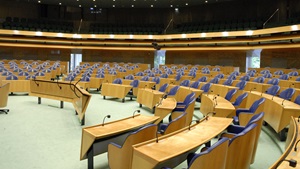
In a letter to the House of Representatives, the State Secretary for Finance has outlined the current situation regarding the introduction of the right of access to tax records. This right of access will be introduced in phases.
READ MORE
The introduction of the legal presumption does not mean that every contractor working at an hourly rate below €38 is automatically employed by the company. It does, however, mean that the presumption of an employment relationship is accepted. The contractor may rely on this presumption, but the company has the option to demonstrate that no employment contract exists.
If the company fails to prove this, the contractor is entitled to all the protection afforded by employment law. This includes continued payment during holidays and sick leave, and protection against dismissal
The contractor may rely on the legal presumption, but it has effect only under civil law. This means that the UWV, the Tax and Customs Administration and the Labour Inspectorate will not assess this legal presumption. They will continue to carry out their own investigations based on the elements of work, pay and a relationship of authority.
The legal presumption will come into force immediately on 31 December 2026. Do you have a contractor who is already carrying out work for you before 31 December 2026 at an hourly rate of less than €38? And will that contractor still be doing so from 31 December 2026 onwards? If so, from 31 December 2026 there will be a presumption that this contractor is employed by you.

The legal presumption of an employment contract for an hourly rate below €38 will come into force on 31 December 2026. What does this mean for you as a client or company?
READ MORE
Solvit is a body established by the European Commission that mediates in disputes regarding the correct application of EU law. Solvit’s services are free of charge.
The issues you can bring to Solvit are diverse. These include problems related to visas, child benefits, or pensions. For businesses, issues concerning trade and services, the recognition of professional qualifications, and VAT refunds are particularly relevant.
Please note!You cannot use Solvit if you have a problem with another business, if you have a problem as a consumer, or if you are seeking compensation. Solvit also cannot help if your case has been brought before a court.
A complaint or problem can be submitted online. You must indicate the nature of the problem and which government agency you wish to report the issue to. You may also attach relevant documents, such as correspondence. After submission, the Solvit center in your own country will contact you to prepare your case and then forward it to the Solvit center in the country to which your complaint relates. The goal is to resolve a problem within ten weeks.
On the Solvit website, you’ll find numerous examples of cases that have been resolved with Solvit’s help. These include, for example, the failure to refund VAT or delays in doing so. Another case involves the refusal to issue a certificate of inheritance. Yet another example involves the refusal to allow a product onto the French market, even though it complied with European regulations.
Solvit can also be contacted if you need advice on your EU rights. If necessary, you will be referred to services that can provide better assistance. Requests for advice are answered within a week.

Are you, as a citizen or business, facing problems because a government agency in another EU country, Iceland, Liechtenstein, or Norway is not complying with EU law? If so, you can try to resolve this through Solvit.
READ MORE
If you owe taxes, you will receive a notice from the Tax and Customs Administration. The new account number will be included in the notice regarding the taxes due.
Please note!The new account number does not affect the payment method. For example, online payments will still be possible.
If you pay the Tax and Customs Administration periodically via direct debit, you do not need to do anything. The payments will be automatically transferred to the new account number.
You only need to be careful if you have arranged a recurring payment differently, for example via a recurring transfer with your bank. In that case, you must ensure that the account number is updated yourself.
If you accidentally use the “old” account number for a payment to the Tax Authority, your payment will still be forwarded to the Tax Authority and processed there for the time being. The Tax Authority has made arrangements with ING regarding this, so that taxpayers are not penalized.
To pay a provisional or final income tax assessment, you can use the new account number starting April 20, 2026.
The Benefits Service is also switching to Rabobank and will therefore have a new account number starting May 1, 2026. From that date, you can make payments to the Benefits Service using the new account number NL04 RABO 0200112244. The Benefits Service will make its first payments from this number on Monday, June 22, 2026.
Please note! Here too, if you make a payment to the old account number, the payment will be forwarded to the Tax and Customs Administration’s new account number for the time being.
Due to the change in account numbers, the Tax and Customs Administration strongly warns against phishing. Criminals regularly attempt to collect non-existent tax debts from taxpayers via email, text message, WhatsApp, or by phone. However, the Tax and Customs Administration never collects taxes in this manner. If you are unsure whether a message is genuine, follow the step-by-step guide on the Tax and Customs Administration’s website and verify the account number.

As of May 1, 2026, the Dutch Tax and Customs Administration and the Benefits Service will switch from ING to Rabobank. This means that the account numbers will also change.
READ MORE
For businesses that buy or sell goods, cash payments of €3,000 or more will no longer be permitted starting January 1, 2026. It does not matter whether the business is buying from or selling to another business or to a private individual. In all cases, cash payments of €3,000 or more are prohibited.
Please note! A private individual may accept a cash payment exceeding €3,000 from another private individual, for example, when selling on a marketplace.
The €3,000 limit is intended to make it more difficult to launder cash derived from illegal transactions and thereby also combat terrorism. The limit is also intended to ensure that payment transactions remain accessible.
The fine for violating the ban is set at a fixed base amount of €10,000. The Wwft Supervision Bureau, a division of the Tax and Customs Administration, oversees compliance with the ban.
Special circumstances, such as financial capacity, may justify reducing the fine. On the other hand, repeated violations of the prohibition may justify increasing the fine. For example, a fine of €20,000 may be imposed if the prohibition is violated again within five years of a previous fine.
Please note! Criminal proceedings may also be initiated under the Economic Offenses Act.

Starting January 1, 2026, Dutch merchants may no longer make or accept cash payments of €3,000 or more. The base amount of the fine for violating this prohibition is a fixed amount of €10,000.
READ MORE
It is particularly common among migrant workers for employers to provide accommodation and deduct an amount from the employee's wages for this. In the case of the minimum wage, this deduction may still be a maximum of 25% of that wage in 2025.
The government believes that the deduction can encourage a model of earning and dependence on the employee. This can lead to the exploitation of migrant workers. The government therefore wants to abolish the scheme.
The proposal is to reduce the deduction by 5% per year from 2026 and to completely abolish the possibility of deducting housing costs from the statutory minimum wage from 2030.
| Year | Maximum deduction percentage |
| 2025 | 25 |
| 2026 | 20 |
| 2027 | 15 |
| 2028 | 10 |
| 2029 | 5 |
| 2030 | 0 |
Tip! Employers will still be allowed to provide housing for their employees from 2030 onwards. However, it will no longer be possible to deduct part of the costs from the statutory minimum wage.
The proposal has been submitted for internet consultation. Responses to the proposal can be submitted until June 6, 2025.

In the Netherlands in 2025, employers will be allowed to deduct a maximum of 25% of the minimum wage from an employee's statutory minimum wage to cover the costs of housing. The proposal off the Dutch government is to reduce this percentage by 5% annually from 2026 to 2029.
READ MORE

Contact
Schoutlaan 7
6002 EA Weert
0495 53 07 55
info@w-o.nl
W&O Accountants en Adviseurs
Algemene Voorwaarden
Klachtenregeling
Klokkenluidersregeling
Privacyverklaring
W&O Registeraccountants
Algemene Voorwaarden
Klachtenregeling
Klokkenluidersregeling
Privacyverklaring
