
In het wetsvoorstel Baz, Basisverzekering arbeidsongeschiktheid zelfstandigen, wordt elke zelfstandige verplicht zich te verzekeren tegen arbeidsongeschiktheid tot de AOW-leeftijd. Dat kan door deelname aan de Baz, maar de zelfstandige kan ook, onder voorwaarden, voor een private verzekering kiezen. In dat geval geldt de Baz niet.
In het wetsvoorstel Baz is een premie opgenomen van 5,4% van de winst van de zelfstandige met een maximum van € 171 bruto per maand.
Let op!Het bedrag van € 171 is gebaseerd op het wettelijk minimumloon uit 2025 en zal jaarlijks worden geïndexeerd.
Naast de zelfstandige die voor een private verzekering kiest, gelden nog wat andere uitzonderingen.
Zelfstandigen die ook in loondienst werken zijn al verzekerd voor arbeidsongeschiktheid. Hebben zij van daaruit bij arbeidsongeschiktheid recht op een uitkering op het niveau van het minimumloon, dan hoeven zij straks geen Baz-premie te betalen.
Ook een zelfstandige die vanuit een bv opereert, zoals de dga, valt straks niet onder de Baz.
In het wetsvoorstel is een wachttijd opgenomen van twee jaar. Dit betekent dat de zelfstandige pas na twee jaar ziekte een AOV-uitkering ontvangt. Dit is vergelijkbaar met de wachttijd van een zieke werknemer voor een WIA-uitkering.
De contouren lijken nu aardig bekend. Een en ander moet echter nog door de Tweede en Eerste Kamer. Het is daarom nog niet zeker of en zo ja vanaf wanneer er een verplichte AOV voor zelfstandigen komt.

Het kabinet laat weten dat er een basisverzekering komt die zelfstandigen bij arbeidsongeschiktheid een minimuminkomen garandeert. Daarmee lijkt een verplichte arbeidsongeschiktheidsverzekering (AOV) voor zelfstandigen weer een stap dichterbij.
LEES VERDER
Als u uw onderneming ruisend de bv inbrengt, moet u fiscaal afrekenen over de stille en fiscale reserves en de goodwill in uw onderneming. Wilt u dat niet, dan is het ook mogelijk om geruisloos de bv in te gaan met uw onderneming. U hoeft dan niet fiscaal af te rekenen over de stille en fiscale reserves en de goodwill. De fiscale claim hierover schuift dan door naar de bv.
Let op! Hoewel geruisloos de voorkeur lijkt te hebben, is ruisend in bepaalde situaties voordeliger of gewenster. Bijvoorbeeld als er nauwelijks stille en fiscale reserves en goodwill zijn of als er voldoende geld is om de belasting al te voldoen. Laat u adviseren wat in uw situatie raadzaam is.
Heeft u plannen om uw IB-onderneming ruisend met terugwerkende kracht vanaf 1 januari 2026 in te brengen in een bv? Leg dan in ieder geval de intentie hiervoor vast. Zorg dat deze vastlegging vóór 1 april 2026 door de Belastingdienst ontvangen is. Alleen dan kan het namelijk met terugwerkende kracht vanaf 1 januari 2026 plaatsvinden.
Tip! Gebruik voor de verzending naar de Belastingdienst het daarvoor bedoelde Geleideformulier voorovereenkomst of intentieverklaring.
Heeft u plannen om geruisloos de bv in te gaan, dan heeft u meer tijd. U moet dan zorgen dat de intentie vóór 1 oktober 2026 door de Belastingdienst ontvangen is om met terugwerkende kracht vanaf 1 januari 2026 de bv in te gaan.
Bij een ruisende inbreng moeten de oprichting van de bv en de inbreng van de onderneming in de bv uiterlijk op 30 september 2026 hebben plaatsgevonden om de terugwerkende kracht vanaf 1 januari 2026 te behouden.
Bij een geruisloze inbreng moeten de oprichting van de bv en de inbreng van de onderneming in de bv uiterlijk op 31 maart 2027 hebben plaatsgevonden voor de terugwerkende kracht vanaf 1 januari 2026.
Let op! Voor de geruisloze inbreng met terugwerkende kracht vanaf 1 januari 2025 verloopt binnenkort ook de deadline. Hiervoor moet de bv en de inbreng plaatsvinden uiterlijk 31 maart 2026.

Als u uw IB-onderneming, bijvoorbeeld uw eenmanszaak, met terugwerkende kracht vanaf 1 januari 2026 vanuit een bv wilt uitoefenen, moet u mogelijk vóór 1 april 2026 actie ondernemen. Wanneer is dat het geval?
LEES VERDER
Bij het vaststellen van een billijke vergoeding wordt vaak gekeken naar de periode dat het dienstverband nog zou hebben voortgeduurd en het loon dat de werknemer dan nog ontvangen zou hebben gedurende die periode. Met andere woorden: wat is de loonwaarde die de werknemer als gevolg van het ernstig verwijtbare eindigen van het dienstverband heeft gemist. Moet er dan rekening worden gehouden met een mogelijke WW-uitkering die de werknemer over deze periode ontvangt? Hierover bestond verdeeldheid in de literatuur.
De Hoge Raad heeft bepaald dat de rechter bij het bepalen van de billijke vergoeding de mogelijke WW-uitkering over die periode op het gederfde loon in mindering mag brengen. Als de rechter bij het bepalen van de billijke vergoeding rekening houdt met de gevolgen voor de werknemer van het voortijdige einde van de arbeidsovereenkomst, ligt het volgens de Hoge Raad voor de hand dat hij in dat verband niet alleen rekening houdt met nadelen (verlies van loon), maar ook met eventuele voordelen die daarmee voldoende samenhangen. Denk hierbij aan het recht op een uitkering of de mogelijkheid andere inkomsten te verwerven.
Het is echter ook weer geen wet van Meden en Perzen dat de WW-uitkering altijd in mindering moet worden gebracht op de loonbetaling. De Hoge Raad overweegt dat in welke mate de vastgestelde gevolgen de hoogte van de billijke vergoeding bepalen, mede afhangt van de aanwezigheid van andere omstandigheden die bij het vaststellen van de vergoeding van belang zijn. Daarbij kan ook meewegen of de werknemer wordt benadeeld in mogelijke toekomstige rechten op een WW-uitkering. Denk aan de situatie dat iemand nog jaren te gaan heeft tot zijn pensioen. In dat geval kan de werknemer, afhankelijk van bijvoorbeeld het soort werk en de arbeidsmarkt er groot belang bij hebben om zijn potentiële aanspraak op de opgebouwde WW-rechten te behouden. Dan is het mogelijk niet redelijk en niet wenselijk deze als schadebeperkingsmaatregel op de te begroten billijke vergoeding in mindering te brengen.
Het zal een interessante puzzel worden. Nog afgezien van de vraag of er, als de plannen van het nieuwe kabinet doorgaan, nog wat overblijft van de WW om van de billijke vergoeding af te trekken

Als er sprake is van ernstig verwijtbaar handelen of nalaten van de werkgever, kan de rechter een billijke vergoeding toekennen aan een werknemer. Moet er dan ook rekening worden gehouden met een eventuele WW-uitkering?
LEES VERDER
Alles wat u aan uw werknemers in 2025 vergoedde, verstrekte of ter beschikking stelde, vormt in beginsel loon waarover loonbelasting verschuldigd is. Als u ervoor gekozen heeft om dit loon aan te wijzen als eindheffingsloon, hoeft u geen loonbelasting in te houden op het loon van uw werknemers, maar betaalt u wel mogelijk een eindheffing.
Dit is het geval als er geen nihilwaardering of gerichte vrijstelling van toepassing was en u uw vrije ruimte in 2025 overschreed. Die vrije ruimte bedroeg in 2025 2% van uw totale loonsom tot en met € 400.000 en 1,18% over het meerdere.
Let op! Sommige zaken mag u niet aanwijzen als eindheffingsloon. Voor deze zaken moet u altijd de loonbelasting inhouden op het loon van uw werknemers. Dit is bijvoorbeeld het geval bij de bijtelling voor het privégebruik van een auto van de zaak. Maar ook als het niet gebruikelijk is om aan te wijzen als eindheffingsloon (en dus niet aan de gebruikelijkheidstoets wordt voldaan), mag u niet aanwijzen.
Overschreed u in 2025 uw vrije ruimte, dan betaalt u 80% eindheffing over deze overschrijding. Dit geeft u uiterlijk in uw tweede aangifte loonheffingen over 2026 aan.
Let op! Is dit een maandaangifte, dan is de deadline 31 maart 2026. Bij een vierweken-aangifte, ligt de deadline op 22 maart 2026.
Niet alle vergoedingen, verstrekkingen en terbeschikkingstellingen zullen in uw salarisadministratie zijn opgenomen. Sommigen zult u waarschijnlijk uit uw financiële administratie moeten halen.
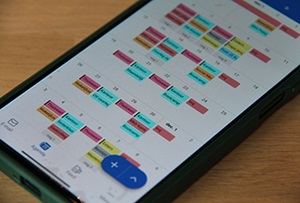
Controleer of u in 2025 binnen de vrije ruimte van de werkkostenregeling (WKR) bleef. Als dat niet het geval is, moet u uiterlijk in uw tweede aangifte loonheffingen 2026 uw overschrijding afrekenen.
LEES VERDER
Over de hoogte van de belastingrente liep de afgelopen jaren een rechtszaak. Uiteindelijk heeft de hoogste rechtsinstantie, de Hoge Raad, geoordeeld dat de belastingrente voor de btw niet te hoog is. Vanaf 1 januari 2026 bedraagt deze belastingrente 5%.
U kunt deze belastingrente voorkomen door vóór 1 april 2026 uw btw-suppletie over het jaar 2025 in te dienen. Dus heeft u in 2025 te weinig btw aangegeven in uw btw-aangifte en dus te weinig btw afgedragen, corrigeer dit dan vóór 1 april 2026 met een btw-suppletie.
Let op!Ontvangt de Belastingdienst uw btw-suppletie 2025 niet vóór 1 april 2026, dan berekent de Belastingdienst vanaf 1 januari 2026 5% belastingrente.
U bent verplicht om een btw-suppletie in te dienen binnen acht weken nadat u constateerde dat u zo’n suppletie moet doen. Doet u dat niet, dan kan de Belastingdienst een vergrijpboete opleggen.
Let op! De termijn van acht weken kan nog korter zijn. U moet uw btw-suppletie namelijk ook indienen voordat u weet of redelijkerwijs moet weten dat de Belastingdienst al bekend was of zou worden met de te weinig aangegeven of afgedragen btw.
Doet u zelf uw btw-suppletie, dan doet u dat digitaal via het formulier ‘Suppletie omzetbelasting’. U vindt dit als u bent ingelogd op Mijn Belastingdienst Zakelijk.
Bedraagt uw btw-suppletie € 1.000 of minder, dan verwerkt u de correctie in uw eerstvolgende btw-aangifte. U dient dan dus geen btw-suppletie in.
Tip! De Belastingdienst legt geen vergrijpboetes op als uw btw-suppletie € 1.000 of minder bedraagt.

Droeg u te weinig btw af over het jaar 2025, dan berekent de Belastingdienst geen belastingrente als u uw btw-suppletie over het jaar 2025 vóór 1 april 2026 indient.
LEES VERDER
De Hoge Raad geeft aan dat op verzoek de afschriften van de betreffende gegevens moeten worden verstrekt en dat deze ook per gemeente kunnen verschillen, maar dat hierover geen uitleg hoeft te worden gegeven. Of de gegevens nuttig of noodzakelijk zijn voor de waardebepaling, is niet van belang. De bronnen van de betreffende gegevens hoeft een gemeente echter niet aan te geven.
De gemeente moet ook inzage geven tot informatie wat gaat over eventueel gebruikte berekeningen. Ook zaken die een belastingplichtige zelf kan vinden, bijvoorbeeld via internet, moeten ter beschikking worden gesteld. Het vermelden van een site op internet kan in beginsel voldoende zijn, tenzij de site niet meer beschikbaar is.
Is door een gemeente een taxatieverslag gebruikt, dan is dit alleen niet voldoende als er ook gegevens zijn gebruikt die hier niet in staan, maar wel bij de waardebepaling zijn gebruikt. De informatieverplichting geldt bovendien niet alleen voor het pand waarvoor de WOZ-waarde is bepaald, maar ook voor de vergelijkingsobjecten waar deze waarde mede op is gebaseerd.
Voor wat betreft de factoren waarop de waarde kan worden bepaald, noemt de Hoge Raad primaire en secundaire objectkenmerken. Bij primaire objectkenmerken gaat het onder meer om het type woning, het bouwjaar, de gebruiksoppervlakte en perceeloppervlakte. Bij de secundaire kenmerken gaat het met name om zaken als kwaliteit, onderhoud, uitstraling, doelmatigheid, voorzieningen en ligging (KOUDVL-kenmerken) van een woning. Hierop toegepaste correcties vanwege afwijkingen van het gemiddelde dienen ook als gegeven te worden verstrekt, maar de basis waarop deze correcties zijn gebaseerd weer niet, aldus de Hoge Raad. Hetzelfde geldt voor correcties gebaseerd op een al dan niet aanwezigheid van een reserve in een Vereniging van Eigenaren.
Gemeentes hoeven daarentegen geen informatie te verstrekken die gebaseerd is op kennis en ervaring, of van de bronnen ervan. Hiervan kunnen immers geen afschriften worden verstrekt, zo meent de Hoge Raad.
De bewijslast dat niet de benodigde gegevens door de gemeente zijn verstrekt, ligt bij de belastingplichtige. Dit is echter anders als deze niet over deze gegevens kan beschikken, omdat ze in bezit zijn van de gemeente en deze de gegevens niet heeft verstrekt. In dat geval dient de gemeente aan te tonen dat de gevraagde gegevens niet aan de waardebepaling van de woning hebben bijgedragen.

Gemeentes zijn verplicht om op verzoek informatie te geven over de gegevens waarop uw WOZ-waarde is gebaseerd. Op deze manier wordt een informatieachterstand voorkomen en daarmee onnodige procedures. In een recente zaak heeft de Hoge Raad verduidelijkt welke gegevens hiertoe behoren en welke niet.
LEES VERDER
De subsidie is gericht op projecten die duurzame energie produceren of de uitstoot van broeikasgassen verminderen. De omvang van de subsidie varieert en is afhankelijk van de marktprijs van de opgewekte energie of de verminderde CO2-uitstoot die gerealiseerd wordt. Bij een hogere prijs krijgt u daarom minder subsidie, bij een lagere prijs juist meer.
De SDE++ is dit jaar beschikbaar voor bestaande en nieuwe categorieën van subsidiabele projecten. Zo blijven projecten voor zonne-energie, aardwarmte, waterstof en CO2-afvang en -opslag in aanmerking komen voor de subsidie. Nieuw zijn onder meer zonne-energie projecten langs wegen en spoor, proces-geïntegreerde warmtepompen en nieuwe categorieën CO2-afvang en opslag met koolstofarme waterstof.
Om de subsidie evenwichtig te kunnen verdelen, wordt ook dit jaar gebruikgemaakt van vijf fasen. Op die manier wordt binnen de subsidie budget gereserveerd voor bepaalde categorieën of technieken.
De aanvraagperiode van de SDE++ start op dinsdag 22 september 2026 9.00 uur en sluit op donderdag 22 oktober 2026, 17:00.
Let op!Deze aanvraagperiode van een maand is opgedeeld in vijf fasen. Wanneer u uw subsidie aan moet vragen, hangt af van de subsidie-intensiteit van uw project. Met behulp van een rekentool op RVO.nl kunt u de subsidie-intensiteit berekenen voor uw project en weet u wanneer u uw aanvraag kunt indienen.
Voor uw aanvraag is eHerkenning niveau 3 of DigiD nodig. Heeft u eHerkenning nodig, vraag dit dan tijdig aan als u hier nog niet over beschikt.
Heeft u voor uw installatie een vergunning nodig, vraag die dan op tijd aan. Als u de SDE++ aanvraagt, moet u namelijk over alle benodigde vergunningen beschikken. Kopieën hiervan dient u mee te sturen met uw aanvraag.
Voor de subsidie gelden tal van voorwaarden. Zo mag u op het moment van aanvragen van de subsidie nog geen opdracht hebben gegeven tot de bouw van uw productie-installatie. U vindt hier alle informatie.

Vanaf 22 september 2026 is de Stimuleringsregeling Duurzame Energieproductie en Klimaattransitie (SDE++) subsidie opnieuw beschikbaar. Met de SDE++ regeling worden grootschalige duurzame energieprojecten gesubsidieerd. Hiervoor komt dit jaar naar verwachting € 8 miljard beschikbaar.
LEES VERDER
Een gerechtshof vond in een bepaalde casus dat dit kon. Wat speelde hier?
Een dga en zijn partner laten samen een woning bouwen. Ze zijn samen eigenaar en gaan na gereedkomen van de woning daar ook samenwonen.
In de woning is een werkkamer en een garage gemaakt. De werkkamer is bereikbaar via de centrale hal, maar ook via een deur naar de garage. De garage beschikt over een eigen uitgang naar buiten.
De dga heeft een bv waaraan hij na oplevering van de woning de werkkamer en de garage (belast met btw) verhuurt voor een bedrag van € 8.400 (exclusief btw per jaar). In de huurovereenkomst is gekozen voor verhuur met btw. De dga verricht in de werkkamer regelmatig werkzaamheden voor de bv. De garage wordt gebruikt voor het stallen van de auto van de zaak en het opslaan van stukken van de bv.
De garage wordt ook voor 21% privé gebruikt en voor 79% zakelijk.
De dga trekt in zijn btw-aangifte de volledige btw op de bouwkosten van de werkkamer en 79% van de btw op de bouwkosten van de garage af. De dga vindt dat dit mag, omdat hij de werkkamer en garage met btw verhuurt aan de bv.
De Belastingdienst staat deze aftrek niet toe. Ten eerste vindt de Belastingdienst dat de verhuur geen economische activiteit is. De Belastingdienst meent dat de werkkamer niet over voldoende zelfstandigheid beschikt om verhuurd te kunnen worden aan een willekeurige derde.
Het gerechtshof oordeelt dat er wel sprake is van een economische activiteit. De werkkamer en garage worden voor een aantal jaren tegen een marktconforme huur aan de bv ter beschikking gesteld. Die bv is ook een derde. Daarmee is dan ook sprake van een economische activiteit. Niet relevant is of de werkkamer en garage in de ogen van de Belastingdienst onvoldoende zelfstandigheid bezitten om aan een willekeurige derde te verhuren.
Ten tweede vindt de Belastingdienst dat er geen rechtstreeks en onmiddellijk verband is tussen de bouw van de woning (én werkkamer en garage) en de btw-belaste verhuur. De woning zou naar het oordeel van de Belastingdienst ook gebouwd zijn als er geen sprake was van ondernemingsactiviteiten.
Het gerechtshof is het niet eens met de Belastingdienst. De dga heeft vanaf het begin de intentie gehad om een deel van de woning zakelijk te gebruiken en tegen vergoeding te verhuren aan de bv. Dat is voor het gerechtshof voldoende om in aanmerking te komen voor aftrek van btw onder de voorwaarde dat er sprake is van btw-belaste activiteiten.
De verhuur van de werkkamer en de garage moet dan wel met btw belast kunnen worden. De Belastingdienst vindt dat kiezen voor btw-belaste verhuur in dit geval niet mogelijk is, omdat de werkkamer en garage deels ook privé worden gebruikt.
Het gerechtshof vindt echter dat de keuze voor btw-belaste verhuur wel mogelijk is. Voor gedeelten van gebouwen die niet als woning worden gebruikt, kan gekozen worden voor btw-belaste verhuur. Dit geldt ook indien het, zoals hier, gaat om onzelfstandige gedeelten van een gebouw dat voor het grootste deel als woning wordt gebruikt. Omdat de werkkamer en garage hoofdzakelijk door de bv worden gebruikt en niet als woning, is btw-belaste verhuur mogelijk volgens het gerechtshof. Het privégebruik is ondergeschikt aan het zakelijke gebruik.
Het gerechtshof concludeert dat btw-belaste verhuur van de werkkamer en garage mogelijk is. Als gevolg daarvan kan de dga de btw met betrekking tot die werkkamer en garage ook in aftrek brengen. Vanwege 21% privégebruik van de garage geldt de btw-aftrek met betrekking tot de garage maar voor 79%.
Let op! Elke casus staat op zichzelf en kan vanwege andere feiten en omstandigheden tot andere uitkomsten leiden. Overleg daarom met onze adviseurs over de btw-gevolgen in uw eigen situatie.

Kan een dga een werkkamer in zijn woning met btw verhuren aan zijn bv en daardoor recht hebben op aftrek van btw met betrekking tot die werkkamer? Ook als die werkkamer ook in privé gebruikt wordt?
LEES VERDER
LKV’s zijn bedoeld om werkgevers te stimuleren mensen met een kwetsbare positie in dienst te nemen en te houden. In 2026 kan daarvoor – onder voorwaarden – onder meer een beroep gedaan worden op het LKV arbeidsgehandicapte werknemers en het LKV banenafspraak.
Let op!Voor het LKV banenafspraak is vanaf 2026 geen doelgroepverklaring meer nodig. De wet heeft daarom alleen nog gevolgen voor het LKV arbeidsgehandicapte werknemer.
Bij overgang van een onderneming ging de Belastingdienst ervan uit dat het recht op LKV niet mee overgaat naar de nieuwe werkgever. De Hoge Raad oordeelde echter in mei 2024 dat het LKV bij zo’n overgang niet vervalt.
Let op!Is in 2026 sprake van een overgang van de onderneming, dan blijft het recht op het LKV dus bestaan, mits ook aan de voorwaarden voor de LKV wordt voldaan. Zo moet onder meer de oorspronkelijke doelgroepverklaring geldig zijn. U moet in de aangifte loonheffingen 2026 het vinkje aanzetten om het recht te behouden.
Op 3 februari 2026 heeft de Eerste Kamer een wetsvoorstel voor behoud van het LKV bij overgang van een onderneming aangenomen. Na inwerkingtreding van deze wet wordt een doelgroepverklaring niet langer alleen verleend aan een specifieke werknemer, maar ook gekoppeld aan een werkgever.
De nieuwe werkgever na overgang van de onderneming kan dan een doelgroepverklaring nieuwe werkgever aanvragen en het LKV arbeidsgehandicapte werknemer voor de resterende looptijd voor de werknemer genieten. De nieuwe werkgever moet dan wel het vinkje aanzetten in zijn aangifte loonheffingen.
De nieuwe wet biedt ook de mogelijkheid om het LKV te behouden als een werknemer bij een nieuwe werkgever in dienst treedt, zonder dat sprake is van een overgang van een onderneming. Ook deze nieuwe werkgever kan een doelgroepverklaring nieuwe werkgever aanvragen en daarmee een beroep doen op de resterende duur van het LKV arbeidsgehandicapte werknemer.
Let op! De exacte inwerkingtreding van de wet is nog niet gepubliceerd, maar beoogd is een inwerkingtreding per 1 januari 2027.

De Eerste Kamer heeft een wetsvoorstel aangenomen voor behoud van het loonkostenvoordeel (LKV) bij overgang van een onderneming en een nieuwe werkgever. De beoogde inwerkingtreding is 1 januari 2027.
LEES VERDER
De Arbowet verplicht bedrijven zich deskundig te laten ondersteunen bij het arbo- en verzuimbeleid. Dit kan door een arbokerndeskundige (zogeheten maatwerkregeling; onder voorwaarden bepaalt de werkgever zelf door wie hij zich laat ondersteunen) of door een arbodienst.
Schakelt u een arbodienst in, dan spreken we over een zogeheten vangnetregeling. U sluit dan een contract af met een gecertificeerde arbodienst.
Tip! Op de website www.sbca.nl is terug te vinden of een arbodienst gecertificeerd is.
Een arbodienst heeft de volgende taken:
Iedere arbodienst moet beschikken over een bedrijfsarts. Deze bedrijfsarts heeft recht op overleg met de ondernemingsraad of de personeelsvertegenwoordiging. Ook heeft hij het recht de werkplek te bezoeken. Verder dient hij beroepsziekten te melden bij het Nederlands Centrum voor Beroepsziekten (www.beroepsziekten.nl). De bedrijfsarts moet zich niet alleen bezighouden met de ziekteverzuimbegeleiding en de re-integratie, maar ook met preventie: voorkomen dat er uitval plaatsvindt.
Bij de keuze voor een maatwerkregeling moet er ten minste één bedrijfsarts beschikbaar zijn voor verzuimbegeleiding, de PAGO en aanstellingskeuringen. De maatwerkregeling kan alleen worden toegepast na verkregen instemming van de ondernemingsraad (or) of de personeelsvertegenwoordiging (PVT) en geldt dan voor een periode van vijf jaar.
Let op!Iedere arbodienstverlener dient te beschikken over een klachtenregeling waar een beroep op kan worden gedaan als een werknemer zich niet correct bejegend vindt door de arbodienstverlener.
Een bedrijfsarts is niet hetzelfde als een arboarts. De titel bedrijfsarts is namelijk een wettelijk beschermde titel. De bedrijfsarts kan tuchtrechtelijk worden aangesproken. Bedrijfsartsen zijn in het BIG-register (Beroepen in de Individuele Gezondheidszorg) opgenomen als ‘arts’ met als specialisme ‘arbeid en gezondheid – bedrijfsgeneeskunde’. Het BIG-register is door iedereen te raadplegen (www.bigregister.nl). Iedere zorgverlener is verplicht zijn BIG-nummer actief bekend te maken, zodat deze makkelijk in het BIG-register kan worden gevonden. Alleen wie in het BIG-register staat, mag een beschermde beroepstitel voeren en mag de bij het beroep horende voorbehouden handelingen zelfstandig uitvoeren. Vanwege een tekort aan bedrijfsartsen besteedt de bedrijfsarts taken uit aan andere professionals. We spreken dan van taakdelegatie. Hij blijft echter zelf eindverantwoordelijke. Bepaalde taken, zoals het opstellen van een probleemanalyse en het eindoordeel bij de WIA-aanvraag, moet hij zelf uitvoeren.
U bent als werkgever verplicht om een werknemer die het niet eens is met het oordeel van de bedrijfsarts op het gebied van de verzuimbegeleiding, in de gelegenheid te stellen op uw kosten een oordeel aan te vragen bij een andere onafhankelijke door u gecontracteerde bedrijfsarts. Het aanvragen van een dergelijke second opinion heeft geen opschortende werking. Het advies van de eigen bedrijfsarts blijft dus staan. Het is de bedoeling dat er bij een afwijkende mening intercollegiaal overleg plaatsvindt, waarna de eigen bedrijfsarts mogelijk zijn oordeel bijstelt. Het is aan de werknemer om te bepalen of het oordeel van de bedrijfsarts van de second opinion ter kennis wordt gebracht aan de eigen bedrijfsarts. Meer informatie is te vinden op www.bedrijfsartsensecondopinion.nl of www.secondopinionpoli.nl
Een second opinion is niet hetzelfde als een deskundigenoordeel. Zowel de werkgever als de werknemer kunnen een beroep doen op het UWV voor de volgende deskundigenoordelen:
Het deskundigenoordeel heeft de status van een advies. Het is dus geen besluit in de zin van de Algemene wet bestuursrecht waartegen de mogelijkheid van bezwaar en beroep open staat. Er geldt een termijn van twee weken voor de beoordeling. Lukt dat niet, dan moet het UWV na afloop van die twee weken een datum geven waarop het deskundigenoordeel gereed zal zijn.
Gelet op de capaciteitsproblemen bij het UWV, heeft het UWV een prioritering aangebracht in het in behandeling nemen van deskundigenoordelen. Alleen als er sprake is van een conflict dan wel een schrijnende, wordt een deskundigenoordeel in behandeling genomen. Dit is terug te lezen in de handreiking deskundigenoordeel van het UWV.
Als er geen sprake is van een geschil of een schrijnende situatie wordt de aanvraag in behandeling genomen zonder prioriteit en komt in de werkvoorraad. Dit wordt schriftelijk bevestigd. Is de WIA-aanvraag inmiddels ingediend, dan wordt het deskundigenoordeel niet meer afgehandeld. Vanaf dat moment worden de re-integratie-inspanningen in verband met de poortwachtertoets en het recht op een WIA-uitkering beoordeeld. De WIA-aanvraag gaat in dat geval voor op de aanvraag voor een deskundigenoordeel.
Bij de deskundigenoordelen passende arbeid en re-integratie-inspanningen werkgever hoeft er geen sprake te zijn van een geschil om in behandeling te worden genomen.
Aan het aanvragen van een deskundigenoordeel zijn kosten verbonden: € 100 voor de werknemer en € 400 voor de werkgever.
In het kader van de Wet verbetering poortwachter gelden er bepaalde processtappen die tijdens ziekte van een werknemer doorlopen moeten worden. Dit zijn:
Een casemanager fungeert als een soort spin-in-het-web waar het gaat om de processtappen in het kader van de re-integratie. De rol van casemanager kan intern worden opgepakt door de leidinggevende of iemand van HR/personeelszaken. U kunt dit ook uitbesteden aan een professionele casemanager die speciaal daartoe is opgeleid en uitgebreide kennis heeft van wet- en regelgeving rondom verzuim. De casemanager kan bijvoorbeeld ondersteunen bij het maken van een re-integratievisie en het re-integratieverslag, managementinformatie aanleveren, deelnemen aan het sociaal-medisch team (SMT) waarin casuïstiek wordt besproken en subsidiemogelijkheden in kaart brengen.
Rondom het eerste jaar moet er een eerstejaarsevaluatie plaatsvinden tussen werkgever en werknemer. Dit staat ook wel bekend als het opschudmoment. Er wordt gekeken waar partijen staan in het kader van de re-integratie. Veelal zal er door de bedrijfsarts een inzetbaarheidsprofiel worden opgesteld dat de basis is voor de door de arbeidsdeskundige te onderzoeken mogelijkheden in het kader van werkhervatting binnen het bedrijf (spoor 1) dan wel buiten het bedrijf (spoor 2). Uiterlijk moet een spoor 2-traject worden gestart binnen 6 weken na de eerstejaarsevaluatie.
Re-integratieactiviteiten in spoor 2 kunnen na de eerstejaarsevaluatie alleen achterwege blijven als er:
U moet de eerstejaarsevaluatie schriftelijk vastleggen. In het verslag neemt u het volgende op:
U kunt re-integratie in spoor 2 zelf starten, maar ook een daarin gespecialiseerd re-integratiebedrijf in de hand nemen. Zie www.reintegratiekiezen.nl.
De betaling: salaris, uitkeringen, vakantie en overige financiële aspecten
Bij ziekte moet minimaal 70% van het (maximum)dagloon door u als werkgever worden doorbetaald. Gedurende het eerste ziektejaar geldt als ondergrens het wettelijk minimumloon. Veelal is in een toepasselijke cao of arbeidsovereenkomst een aanvulling geregeld tot maximaal 100% van het loon. De loondoorbetalingsverplichting bedraagt in beginsel maximaal 104 weken, ook wel aangeduid als de ‘wachttijd’. De term ‘re-integratietijd’ zou in dit verband een betere zijn, omdat u er alles aan moet doen om te zorgen dat de zieke werknemer zo optimaal mogelijk re-integreert, ofwel in de eigen organisatie in eigen dan wel ander passend werk (spoor 1), dan wel in een andere organisatie (spoor 2).
Het kan zijn dat er bij u een werknemer werkt die in aanmerking komt voor een ZW-uitkering. Deze uitkering kan dan door het UWV aan u worden uitbetaald waarna u deze in mindering kunt brengen op uw loondoorbetalingsverplichting. Er kan recht bestaat op een ZW-uitkering in de volgende situaties:
Bij de eerste twee categorieën bestaat er recht op een ZW-uitkering ter hoogte van 100% van het (maximum)dagloon. Bij de laatste categorie kan het UWV gedurende de eerste jaar ook tot maximaal 100% van het (maximum)dagloon uitbetalen, afhankelijk van de loondoorbetalingsverplichtingen die u heeft. In het tweede ziektejaar bedraagt de ZW-uitkering daarentegen 70% van het (maximum)dagloon, ook al bent u arbeidsvoorwaardelijk verplicht een hoger percentage door te betalen.
Deze laatste categorie werknemers duiden we aan met de term no-riskpolis. Hierbij gaat het om degene die:
Per 1 januari 2026 is de doelgroep banenafspraak beperkt uitgebreid met:
De no-riskpolis geldt als de betreffende persoon ziek wordt binnen vijf jaar na de start van het dienstverband. Ook als iemand een WIA-uitkering krijgt en bij u blijft werken, bestaat er recht op een ZW-uitkering. Deze wordt via u betaalbaar gesteld als er sprake is van wijziging van de bedongen arbeid door middel van een nieuw contract. In dat geval heeft u een nieuwe loondoorbetalingsplicht van 104 weken waarop u de ZW-uitkering in mindering kunt brengen. Heeft er geen wijziging van de bedongen arbeid plaatsgevonden dan hoeft u niet langer het loon door te betalen. Uw werknemer heeft dan wel recht op een ZW-uitkering die wordt verrekend met zijn WIA-uitkering. Als de ZW-uitkering via u als werkgever betaalbaar wordt gesteld, dan gebeurt dit exclusief vakantiebijslag.
Ook een zieke werknemer heeft het recht om vakantiedagen op te nemen als hij in staat is deze feitelijk te genieten. Hij is dan vrijgesteld van zijn re-integratieverplichting. De bedrijfsarts zal moeten aangeven of de zieke werknemer in staat is vakantie op te nemen waarna u hier als werkgever toestemming voor moet geven.
Let op! Tijdens de opname van vakantiedagen heeft de werknemer recht op 100% loondoorbetaling, ook al krijgt hij een lager percentage doorbetaald.
Als de zieke werknemer weer gedeeltelijk aan het werk en hij neemt vakantie op dan wordt er toch een volledige vakantiedag afgeschreven.
De Hoge Raad heeft uitgemaakt dat er alleen sprake kan zijn van het opnemen van vakantie door een zieke werknemer als deze re-integratiemogelijkheden heeft. De werknemer is dan immers vrijgesteld van zijn re-integratieverplichting. Zijn er geen re-integratiemogelijkheden, dan kunnen er ook geen vakantiedagen worden afgeschreven en geldt ook de vervaltermijn van de wettelijke vakantiedagen niet.
Op dit moment bestaat er nog onduidelijkheid of een werknemer na afloop van de loondoorbetalingsplicht nog vakantiedagen opbouwt. De jurisprudentie hierover is niet eenduidig. Het voornemen bestaat om hierover prejudiciële vragen te stellen aan de Hoge Raad om duidelijkheid te verkrijgen.
U kunt er als werkgever voor kiezen om eigenrisicodrager te worden voor de ZW. Dit betekent dat u bent vrijgesteld van de betaling van de ZW-premie in het kader van de premiebeschikking Werkhervattingskas. In feite fungeert u als een soort uitvoeringsinstelling. Het gaat dan concreet om de werknemers die ziek uit dienst zijn gegaan bij u.
U doet zelf de claimbeoordeling: het bepalen van het recht, de hoogte en de duur van de ZW-uitkering. Ook betaalt u de ZW-uitkering aan de zieke werknemer, houdt u een gescheiden verzuimadministratie bij en bent u verantwoordelijk voor de re-integratie. U kunt deze taken in eigen beheer uitvoeren, maar ook uitbesteden aan een professionele partij. Ook kunt u het UWV vragen bepaalde taken tegen betaling uit te voeren, zoals het vaststellen van het recht op, de hoogte van en de duur van de ZW-uitkering. Ook kunt u bij het UWV informeren of de no-riskpolis van toepassing is en of er een maatregel kan worden opgelegd. Het UWV voert periodiek audits uit om te bezien of u (of de partij aan wie u de taken heeft uitbesteed) dit op correcte wijze uitvoert.
U bent als eigenrisicodrager wel verplicht om een contract met een professionele arbodienstverlener af te sluiten. Het UWV neemt uiteindelijk de beslissingen over bijvoorbeeld het stopzetten van de ZW-uitkering, het toepassen van een maatregel bestaande uit een korting op de uitkering en dergelijke. U moet deze beslissingen motiveren en voorbereiden voor het UWV. Tegen deze beslissingen kan de werknemer bij het UWV dan bezwaar aantekenen. Het is mogelijk het verzuim te verzekeren, maar dit is niet noodzakelijk.
Let op! Het eigenrisicodragerschap kan op 1 januari dan wel op 1 juli van enig jaar ingaan. Een verzoek om eigenrisicodrager te worden, dient drie maanden voor de beoogde ingangsdatum bij de Belastingdienst te worden ingediend.
Er geldt geen inlooprisico, wat betekent dat werknemers die ziek zijn vóór de ingangsdatum van het eigenrisicodragerschap niet voor rekening van de eigenrisicodrager komen. Wel geldt een uitlooprisico, wat inhoudt dat bij het beëindigen van het eigenrisicodragerschap, dit nog wel blijft gelden voor de werknemers die op dat moment al ziek waren.
Oordeelt het UWV bij het einde van de wachttijd (dus aan het einde van de 104 weken) in het kader van de toetsing van het re-integratieverslag (RIV-toets) – ook wel poortwachtertoets genoemd – dat u te weinig heeft gedaan aan de re-integratie, dan legt het UWV u een loonsanctie op van standaard 52 weken. Dit betekent dat u maximaal 52 weken langer het loon moet doorbetalen. Ook het opzegverbod tijdens ziekte geldt dan nog. U kunt uw werknemer dus niet ontslaan. De loonsanctie heeft een ‘reparatoir’ karakter. Dit betekent dat het de bedoeling is dat u probeert de door het UWV gesignaleerde tekortkoming te herstellen. Als u van mening bent dat u dat heeft gedaan, kunt u een bekortingsverzoek indienen bij het UWV. Het UWV heeft dan drie weken de tijd om dit bekortingsverzoek te beoordelen. Vervolgens zal het UWV, als het verzoek gehonoreerd wordt, de loonsanctie met een uitlooptermijn van zes weken stopzetten. Ook kunt u uiteraard altijd bezwaar aantekenen tegen de beslissing van het UWV tot het opleggen van een loonsanctie. Als uw bezwaar gegrond wordt verklaard, kunt u een verzoek bij het UWV indienen tot vergoeding van uw schade bestaande uit het ten onrechte doorbetaalde loon en daaraan gekoppelde emolumenten en de re-integratiekosten en dergelijke. U kunt uw schadevergoeding richten aan: UWV, Juridisch Kenniscentrum (JKC), Postbus 58285, 1040 HG Amsterdam
Let op!Er kan geen loonsanctie worden opgelegd als de wachttijd van 104 weken is verstreken. Het UWV moet dus voor het einde van de verplichte loondoorbetalingsperiode aangeven of het een loonsanctie oplegt of niet. Na afloop van de 104 weken loonbetaling kan geen loonsanctie meer worden opgelegd. Een loonsanctie is nog tijdig opgelegd als deze op de laatste dag van de wachttijd is verzonden. Het UWV moet kunnen aantonen dat het besluit op de laatste dag is verzonden.
Het voornemen bestaat om het advies van de bedrijfsarts leidend te laten zijn bij de poortwachtertoets. In dat geval zal er geen loonsanctie meer kunnen worden opgelegd vanwege een verschil van inzicht tussen de bedrijfsarts en de verzekeringsarts van het UWV.
Heeft u vragen of wilt u advies? Neem contact met ons op, wij helpen u graag verder.
Disclaimer
Hoewel bij de samenstelling van deze Advieswijzer de uiterste zorg is nagestreefd, wordt geen aansprakelijkheid aanvaard voor onvolledigheden of onjuistheden. Vanwege het brede en algemene karakter van de Advieswijzer, is deze niet bedoeld om alle informatie te verschaffen die noodzakelijk is voor het nemen van financiële beslissingen.

Bij verzuim als gevolg van ziekte komt een hoop kijken. U moet als werkgever weten aan welke wet- en regelgeving u gebonden bent. Wat moet u regelen, wanneer en door wie? Wat regelt u zelf en wat besteedt u uit? En hoe zit het met het salaris, uitkeringen en overige financiële zaken? Deze aspecten komen hier aan bod.
LEES VERDER
Please note! Due to significant uncertainty as to whether the government’s plans will be approved by the House of Representatives and the Senate, some of the tips below may still change (in part) before the end of the year. Please bear this in mind!
Should you pay a dividend this year, or would it be better to wait until 2026? There is no one-size-fits-all answer to this question. In any case, be sure to take the following points into consideration:
Please note! Discuss your own situation with our advisers. They can calculate the effect of the dividend payment on, for example, your tax credits and your tax liability in Box 3. Based on this, you can decide whether or not to pay out a dividend. At present, the advice is to wait for the time being until there is a little more clarity on which tax plans will ultimately be passed by the House of Representatives and the Senate.
The measure concerning excessive borrowing from one’s own company broadly means that a director and major shareholder who borrows too much from their own private limited company will pay Box 2 tax on this amount. A threshold of €500,000 currently applies, but the government intends to lower this limit to €100,000. This will be implemented in five stages of €80,000 per year, starting in 2027. By the end of 2027, the threshold will stand at €420,000, and by the end of 2031, the €100,000 limit will have been reached. Although the measure still needs to be passed by the House of Representatives and the Senate, it may well be wise to factor the reduction in the threshold into your dividend planning.
Please note! As is currently the case, home loan debts remain exempt under the proposal and will therefore not count towards the threshold from 2027 onwards. However, for home loan debts incurred on or after 1 January 2023, the condition applies that these must be secured by a mortgage registered against the property.
From 2027, a 12% pseudo-final levy will apply to company cars if these vehicles emit CO₂ (hereinafter: fossil-fuelled company cars). This levy is calculated on the basis of the car’s list price (and, for cars older than 25 years, on the basis of its market value). This is an employer’s levy that you are not permitted to pass on to the employee! Furthermore, the employee may also be liable for the additional tax liability relating to private use.
So what can you still do now to avoid this levy in 2027?
Any vehicle that is not a passenger car, such as a van, lorry or tractor, is also exempt from the 12% pseudo-final levy. Please note, however, that a campervan and a minibus may also be classified as passenger cars. Check the classification in the vehicle registration register. An M1 vehicle is a passenger car!
Please note! When changing employers, the transitional arrangement – which normally runs until 31 December 2030 – ceases to apply. This is because the transitional arrangement is linked to the car in combination with the employer. If a former employee takes the car with them to a new employer, that link is broken and the transitional arrangement lapses. The new employer will then be subject to the 12% pseudo-final levy from day one.
There are still a number of exceptions to the 12% pseudo-final levy. For example, under certain conditions, a replacement car is exempt from the levy for up to fourteen consecutive days, and manual-gearbox driving school cars are also exempt.
There may be various reasons for setting up a private limited company in 2026 and transferring your income tax business into it. One reason could be that you were already planning to do this and also wish to transfer a fossil-fuelled passenger car into the company:
If you contribute the income tax business to the private limited company in 2026 with a tax settlement, you can still benefit from the cessation allowance of €3,630. In 2027, this allowance will fall to €908. If you still have a FOR that is due to be released, you can also make use of the cessation allowance in the event of a silent contribution.
Furthermore, a number of the entrepreneur’s income tax benefits will be further scaled back. For example, the self-employed person’s allowance will fall from €1,200 in 2026 to €900 in 2027; the additional self-employed person’s allowance for a start-up will fall from €2,123 in 2026 to €10 in 2027; and the family business allowance will be reduced by 75% in 2027.
This may also be a reason to switch to a private limited company (BV) in 2026.
Please note! Whether it is advantageous to transfer your income tax-registered business into a private limited company naturally depends not only on the 12% pseudo-final levy, the cessation allowance and other business tax deductions. In addition to tax considerations, other factors, such as limited liability, may also play a role. You should therefore consult our advisers to determine whether switching to a private limited company might be advisable. Do not wait too long to do so. You will need a solicitor to set up a private limited company, and solicitors’ diaries generally fill up quickly towards the end of the year.
From 2027, a new authorisation scheme will come into force for parties that supply workers (labour providers). This is regulated by the Labour Supply Authorisation Act (Wtta).
The licensing scheme applies to anyone who makes workers (including self-employed persons) available to third parties. This includes temporary employment agencies, secondment agencies and agencies that supply self-employed persons. However, even a private limited company that supplies its director-major shareholder to another company may fall under the licensing scheme!
Fortunately, there are exceptions. For example, peer-to-peer lending where no profit is made is not subject to the authorisation scheme. The same applies to lending and borrowing within a group of companies.
If no exception applies, you may be able to apply for an exemption. This is possible if your income from lending services in a given year amounts to less than 10 per cent of your total income and that income does not exceed €5 million per year. In addition, an accountant must certify annually that these thresholds are not exceeded.
Please note! To be able to make use of a transitional arrangement, it is important that you submit an application between 1 November 2026 and 31 December 2026! This will ensure that you can continue to lend for the time being. It is, however, important that you also submit an application for admission to the scheme between 1 May 2027 and 30 June 2027. If you have an SNA quality mark by 30 June 2027 at the latest, you do not need to register for the transitional scheme in 2026. You will, however, still need to apply for admission between 1 May 2027 and 30 June 2027.
A property that is not your main residence – for example, a holiday home or a property you let out – falls under Box 3. If you are planning to purchase such a property, it may be advantageous to have the transfer at the solicitor’s take place in 2027 rather than in 2026.
This is because the transfer tax on the acquisition of properties that are not your main residence is currently still 8 per cent, but will be 7 per cent from 2027 onwards. Furthermore, the flat-rate Box 3 tax on bank balances (should you purchase the property using bank balances) is considerably lower than that applied to the property itself, which is classified as other assets.
For a new, fully electric car made available in 2026, an additional tax liability of 18 per cent applies to the first €30,000 of the list price and 22 per cent on the amount above that. If the new, fully electric car is first made available in 2027, the additional tax liability will be 20 per cent on the first €30,000 of the list price and 22 per cent on the amount above that. If the car runs on hydrogen or is powered by solar panels, the €30,000 limit does not apply and the additional tax liability in 2026 will be 18 per cent of the full list price, and in 2027 20 per cent of the full list price. These additional tax rates apply for a period of 60 months. This may be a reason to try to acquire a car with zero CO₂ emissions in 2026, or failing that, in 2027.
If your car with CO₂ emissions falls under the ‘youngtimer’ scheme, the additional tax liability will not be 22 per cent (or 25 per cent for a car first registered before 2017) of the list price, but 35 per cent of the market value. The ‘youngtimer’ scheme will apply in 2026 if the car is 16 years old or older on 1 January 2026, or if it was already at your disposal in 2025 and turns 16 in 2026. From 1 January 2027, the age limit is likely to rise to 17 years (it is currently 25 years) and from 1 January 2028 to 20 years. Do you drive the ‘youngtimer’ through your income tax business, such as a sole trader? If so, you may wish to transfer the car to your private name. Normally, this isn’t possible without further ado, but due to the legislative change, there may be options available. Please discuss this with our advisers.
Check whether you have any remaining allowance under the work-related expenses scheme (wkr) and make use of it. In 2026, this allowance amounts to 2 per cent of the first €400,000 of the wage bill and 1.18 per cent above that amount. Any allowance remaining in 2026 cannot be carried forward to 2027!
Incidentally, the allowance will increase slightly in 2027. It will then amount to 2.16% on the first €400,000 of the wage bill and 1.18% on the amount above that.
Please note! The targeted exemption for staff discounts on sector-specific products will be abolished from 2027. Therefore, only in 2026 will you still be able to grant a targeted exemption for a reimbursement or discount of up to 20 per cent of the product’s market value, with a maximum of €500 per employee per year.
A new, attractive scheme for share options at start-ups and scale-ups is due to come into force, probably from 2027. Under the new scheme, 35% of the benefit (= the difference between the proceeds from the sale of the shares on the one hand and the contribution and purchase price of the shares on the other) remains tax-free. Furthermore, the employee only pays tax upon the sale of the shares acquired through the share options.
Various conditions apply, and the Netherlands Enterprise Agency (RVO) must classify your company as an innovative start-up or scale-up. What is important for now is that share option rights granted on or after 17 April 2025 may be eligible for the new scheme. It is therefore important that these share option rights have not yet been included in payroll tax as at 31 December 2026. In any case, ensure that share option rights granted on or after 17 April 2025 meet this requirement.

As an entrepreneur, director and major shareholder, employer or private individual in the Netherlands, what can or must you sort out before the end of 2026? Or what should you actually wait to do? What changes are coming into effect in 2027 that you can already prepare for now? We’ve put together a few important tips for you.
READ MORE
Please note! Not all the points listed below are taken from the 2027 Tax Plan. Some changes had already been decided upon, but adjustments have since been made to them.
From 2027, the government will be scaling back various tax benefits for entrepreneurs.
The entrepreneur’s allowance reduces the profit on which an entrepreneur pays income tax. From 2027, further cuts will apply to various components of this allowance.
Please note! This scheme applies to self-employed people who do not meet the 1,225-hour criterion but do meet the reduced 800-hour criterion and are entitled to incapacity benefit.
The cessation allowance and the rates for the co-worker allowance will cease to apply at the start of the third calendar year following the year in which the reduction takes effect. As the changes come into force in 2027, the schemes will therefore cease to apply on 1 January 2030.
As of 1 January 2028, another tax benefit for business owners will be abolished: the discretionary depreciation scheme for start-ups.
Start-up business owners, those planning to cease trading within a few years, and business owners with a co-working partner will be particularly affected. The choice between a sole trader, a general partnership (VOF) or a private limited company (BV) therefore once again requires a calculation based on actual profits and personal circumstances.
Please note!If there are significant changes to your profits, business partnerships or business succession, have a fresh assessment carried out to determine which legal form is best suited to your business.
Tip! Due to the higher aggregate income, benefits may also change. You should therefore check your estimated income for benefit purposes in good time for 2027 and 2028.
Employers may, with retroactive effect up to and including 1 January 2026, reimburse a maximum of €0.25 per business kilometre tax-free. This was previously €0.23. The increase also applies to commuting. The government is now enshrining this increase in law with retroactive effect.
Please note!The increase does not automatically mean that every employee is entitled to €0.25 per kilometre. This depends on the employment contract, the collective labour agreement and the employer’s own mobility policy. For employers, a higher allowance may lead to higher wage costs.
The discretionary allowance on the first €400,000 of the taxable wage bill will increase from 2% to 2.16% with effect from 1 January 2027. This will give you a maximum of €640 extra discretionary allowance per year. This increase was adopted earlier and is therefore not part of the 2027 Tax Plan.
Tip! Update your staff handbook, expense claim policy and payroll administration in good time, and assess whether a higher mileage allowance is desirable from both a financial and employment conditions perspective. Does your organisation offer staff discounts on sector-specific products? If so, consider what the end of this exemption will mean. This will mainly affect the retail and manufacturing sectors.
If, as an employer, you make a passenger car with emissions available to an employee for private use from 2027 onwards, you will be subject to a pseudo-final levy of 12 per cent of the list price. This levy is in addition to the employee’s additional tax liability and must not be passed on to the employee. Transitional provisions apply to cars made available before 1 January 2027.
The pseudo-final levy was already adopted last year, but following consultation, four amendments are being proposed.
The ‘youngtimer’ scheme will be scaled back more gradually than previously stipulated, and the changes will be less far-reaching. The additional tax liability will continue to be based on the market value, but the age limit will rise from 16 years to 17 years in 2027 and to 20 years from 2028 onwards. The previously planned rapid increase to 25 years from 2027 will therefore not go ahead.
Transitional provisions apply to cars that have already been made available by 31 December 2025 at the latest and which will be 17 years old in 2027. These cars may continue to benefit from the youngtimer scheme throughout 2027. From 1 January 2028, the scheme will only apply to cars older than 20 years.
For employers, the decision to provide a company car is becoming increasingly important, particularly due to the ‘pseudo-final levy’. The contract term, drive type and the date on which a car is first made available can have significant tax implications. As a result, an existing lease plan may turn out to be much more expensive or, conversely, much more attractive.
Tip! Before making any new leasing decisions, carefully assess the total employer costs, the employee’s additional tax liability, the lease term and the transitional tax rules.
Normally, the thresholds for tax bands and various tax credits in Box 1 rise in line with inflation. This means that the tax burden normally remains the same as income rises, in line with inflation.
In 2027 and 2028, the government will apply the inflation adjustment only partially. Without this measure, the inflation adjustment for 2027 would amount to 2.6 per cent. Of this, 48 per cent will be applied. As a result, tax band thresholds and tax credits will rise less in line with inflation. Incidentally, the 48 per cent is not applied to the second tax bracket threshold, which therefore remains the same in 2027 as in 2026. The first tax bracket threshold rises from €38,883 to €39,247. The second tax bracket threshold remains at €78,426.
At the same time, the Box 1 rates are changing. For taxpayers under the state pension age, the rate in the first tax bracket will rise by 0.48 per cent: from 35.75 per cent in 2026 to 36.23 per cent in 2027. The rate in the second tax bracket will rise by 0.60 per cent: from 37.56 per cent to 38.16 per cent. The rate in the third tax bracket remains at 49.50 per cent.
Due to the increase in rates and limited indexation, the tax burden in Box 1 will rise. This effect is mitigated for homeowners who can also deduct their mortgage interest at the higher rate of up to 38.16%.
Please note! Always assess your salary, dividends and profits in conjunction with one another. The tax burden may in fact be unexpectedly higher, as the general tax credit depends on your aggregate income. This may therefore also fall as a result of a dividend payment.
Box 3 taxes private assets, such as savings, investments and a second home. Under the current system, the tax authorities calculate the return largely using flat-rate figures. If your actual return is lower, you can provide evidence to the contrary, subject to certain conditions.
The Government has provisionally deferred consideration of the ‘Actual Return on Box 3’ Bill. It will present a new proposal in the 2027 Spring Memorandum. Consequently, the intended introduction on 1 January 2028 will not take place, or at the very least, this date remains uncertain. The Government is re-examining whether a capital gains tax would be more appropriate than a capital appreciation tax.
Under a capital appreciation tax, even an unrealised increase in value is taken into account annually. Under a capital gains tax, tax is only levied upon, for example, the sale of an asset. For entrepreneurs and directors/major shareholders with investments, let property or other assets that are difficult to sell, this makes a significant difference.
Please note!Until a new system comes into force, it remains important to keep accurate records of interest, dividends, rent, costs and changes in value. This information is required for the rebuttal scheme and for weighing up whether to invest privately or through a private limited company.
Tip! Do not wait for the new system. Record the actual return on each asset annually and retain the supporting documents.
The government is making various tax schemes for investment and innovation more attractive. For example, the energy investment allowance will rise from 40% to 45.5% with effect from 1 January 2027. Are you investing in qualifying energy-efficient business assets? If so, you’ll be able to deduct a larger portion of your investment from your profits.
The tax relief for research and development work is also being extended. The flat-rate hourly wage will rise from €29 to €33. This scheme reduces the payroll tax you, as an employer, pay when your employees are working on technically new products, processes or software.
Does your business make use of the innovation box? This scheme is also being made more attractive. From 1 January 2027, the maximum flat-rate amount will rise from €25,000 to €100,000 per year. The flat rate remains capped at 25% of profit. The current three-year application period will also remain unchanged. This allows you to have a larger proportion of your profit taxed at the lower Innovation Box rate.
Tip! Do you wish to make use of the energy investment allowance? Before entering into any commitments, check whether the business asset is included on the energy list. Then submit your application to RVO within the applicable three-month deadline.
To stimulate innovation and growth in specific young enterprises, the government is introducing an attractive tax scheme for employee share options at start-ups and scale-ups.
In principle, the employee pays tax when they actually sell the shares acquired through the options. After deducting the exercise price attributable to the shares, only 65 per cent of the benefit is taxed as income, subject to certain conditions. If the employee sells the share option right rather than the shares themselves, this lower tax base does not apply. The employee may also opt in writing for earlier taxation at the time the option right is exercised or as soon as the shares become tradable.
The scheme applies only to companies that qualify as start-ups or scale-ups and hold a decision from RVO. This decision is valid for eight years from the date of issue. Subject to certain conditions, you may extend the decision in five-year increments, up to a maximum total duration of 23 years. In addition, in principle, there must be a minimum period of two years between the grant of the share option and the sale of that option or the shares resulting from it. If the employee sells earlier due to a sale following the company’s initial public offering (IPO), an exception applies and the rule does apply.
The scheme is due to come into force on 1 January 2027. The definitive date of entry into force will be determined by Royal Decree. Share option rights granted on or after 17 April 2025 may also be eligible for the scheme. For this to apply, the share option rights must not yet have been included in payroll tax as at 31 December 2026, and the other conditions must be met. In that case, your company must apply to the RVO for the decision by 31 December 2027 at the latest.
Tip! Check in good time whether your company is eligible for an RVO decision. Also consider whether employee participation can help you attract, reward and retain talent.
Employers must also pay a so-called ‘freedom contribution’ to fund rising defence expenditure. The government intends to collect most of this additional burden through an increase in the contribution to the Disability Fund (Aof). According to estimates, this increase will generate €1.5 billion in additional contribution revenue in 2027. From 2028 onwards, this will amount to €1.7 billion per year on a structural basis.
The high and low Aof contribution rates have not yet been finalised. The contribution rates will be announced at a later date, alongside the annual contribution rates for employees’ insurance schemes. As a result, it is not yet clear exactly how much your employer’s contributions will increase.
Tip! Allow for higher employer’s contributions in your 2027 staff budget. Adjust your payroll cost calculations as soon as the high and low AOF contribution rates for 2027 have been officially set.
Are you buying a property in which you will not be living yourself on a long-term basis? If so, you will pay transfer tax at the standard residential rate. This applies, for example, to a let property or a holiday home. From 1 January 2027, this rate will fall from 8% to 7%. The 2% rate for a property in which you will be living yourself and the first-time buyer’s exemption remain unchanged.
Please note! This reduction does not apply to commercial premises. In the case of mixed-use properties, conversions and property development projects, there may be some debate as to which part qualifies as a residential property. The use and condition of the property at the time of acquisition play an important role in this regard.
Due to the rate reduction, it may be worth reconsidering the timing of the transaction. You should also take other factors into account, such as financing, return on investment, VAT and the legal structure.
Tip! Before signing the purchase agreement, have an assessment carried out to determine which rate applies to your situation. In doing so, investigate whether it is sensible and feasible to postpone the transfer of title at the solicitor’s office until after 1 January 2027.
Certain non-reimbursed healthcare costs are currently tax-deductible under specific conditions. These include specific medicines, medical aids, dietary costs, transport and additional family care. The relief only applies after any reimbursements and an income-related threshold have been taken into account.
The Government is abolishing the deduction for specific healthcare costs with effect from 1 January 2028. The associated scheme for reimbursement of specific healthcare costs, the TSZ scheme, will also be abolished. For people with a chronic illness, the Government is working on a targeted compensation scheme. The bill does not include any transitional provisions. The measure primarily affects people with a chronic illness, a disability or structurally high, non-reimbursed healthcare costs. Entrepreneurs and directors/major shareholders may also face higher net personal tax liabilities as a result. The financial impact varies greatly, as not every out-of-pocket healthcare expense is currently tax-deductible.
Tip! Make a list of your recurring deductible healthcare costs. This will show which tax benefits may be lost from 2028 onwards and to what extent a future compensation scheme will cover them.

What tax proposals for entrepreneurs did the Dutch Government announce on Prince’s Day 2026? We have listed ten key proposals for you.
READ MORE
The entrepreneur’s allowance comprises the self-employed person’s allowance (in Dutch: zelfstandigenaftrek), the allowance for research and development (in Dutch: aftrek voor speur- en ontwikkelingswerk), the co-worker’s allowance (in Dutch: meewerkaftrek), the start-up allowance in the event of incapacity for work (in Dutch: startersaftrek bij arbeidsongeschiktheid), and the cessation allowance (in Dutch: stakingsaftrek). These allowances may be deducted from business profits for the purposes of income tax.
Foreign taxpayers are taxed in the Netherlands to the extent that they receive Dutch income. Dutch income includes, amongst other things, the profit generated by a foreign entrepreneur’s permanent establishment in the Netherlands. The question is whether the entrepreneur’s allowance may be deducted in full from the profit of this permanent establishment or whether a different allocation must be made?
For the portion of the foreign entrepreneur’s profit that is taxable in the Netherlands, the letter of the law first requires the global profit to be determined, i.e. the foreign entrepreneur’s total profit, including profit earned outside the Netherlands. The Tax and Customs Administration states that the entrepreneur’s allowance and the SME profit exemption (in Dutch: mkb-winstvrijstelling)are deducted in full from these worldwide profits. The profit taxable in the Netherlands is that part of the worldwide profit, after deduction of the entrepreneur’s allowance and the SME profit exemption, which is attributable to the Dutch permanent establishment.
The business allowance is therefore not deducted in full from the profits of the permanent establishment, but in proportion to the ratio of Dutch profits to total worldwide profits.
The Tax and Customs Administration states that the portion of the SME profit exemption that may be charged against the profit taxable in the Netherlands must be determined in the same way as for the entrepreneur’s allowance.
Please note! According to the Tax and Customs Administration, the fact that the entrepreneur’s allowance and the SME profit exemption must be determined in the manner described above also follows from a 2010 ruling by the Supreme Court (in Dutch: Hoge Raad).

The Tax and Customs Administration has provided an answer to the question of whether an entrepreneur residing abroad is entitled to deduct the full business allowance (in Dutch: ondernemersaftrek) from their Dutch profits.
READ MORE
In principle, the Tax and Customs Administration has eight weeks to process your VAT refund claim. If this takes longer, you are entitled to compensation for tax interest provided that the VAT refund relates to a previous year and 1 April has already passed.
Example
The Tax and Customs Administration receives your request for a VAT refund for the fourth quarter of 2025 on 20 January 2026. If you have not yet received a refund decision from the Tax and Customs Administration by 1 April 2026, you are entitled to compensation for tax interest from 1 April 2026.
The period over which tax interest is calculated begins on 1 April or eight weeks after receipt of your claim (if this is later than 1 April). The period runs until fourteen days after the date of the refund decision.
Continuation of example
If the Tax and Customs Administration issues a refund decision dated 15 June 2026, it must reimburse 5% tax interest for the period from 1 April 2026 up to and including 29 June 2026.
Has the Tax and Customs Administration wrongly rejected your VAT refund claim? If so, you must lodge an objection in good time, i.e. within six weeks of the date of the rejection notice. If the Tax and Customs Administration subsequently grants the VAT refund, you are also entitled to reimbursement of tax interest.
Please note! In response to enquiries on this matter, the Tax and Customs Administration has stated that there is no entitlement to reimbursement of tax interest if the original application for a VAT refund was submitted too late and/or if the appeal against the rejection notice was lodged too late.

Have you applied for a VAT refund and is the processing taking a long time? If so, you may be entitled to compensation for tax interest.
READ MORE
It is laid down in law that taxpayers have the right to inspect their own tax files held by the Tax and Customs Administration. In the letter, the State Secretary sets out how the implementation of this right of access to tax files will take shape in the coming years, what the intended timetable is and what exceptions will be made to the right of access.
At present, the Tax and Customs Administration does not yet have a centralised file system: the information in the tax file remains highly fragmented across dozens of unlinked systems. To facilitate the right of access to tax files, the Tax and Customs Administration will therefore need to implement a change in its working methods. The aim is to achieve a structured, externally oriented and accessible filing system, according to the State Secretary. The documents in the tax file will be made available digitally in stages over the coming years.
Under the ‘Keuze digitaal’ programme currently being implemented within the Tax and Customs Administration, decisions, invitations, reminders and submitted documents will gradually become available on MijnBelastingdienst (Business) by 2030. This will later be expanded to include standard letters and automated messages, followed by information from individual files, for example regarding the processing of a tax return.
The letter also sets out a provisional timetable, which includes the planned introduction of the right of access to tax records:
For Customs, the right of tax inspection would only apply to excise duties and consumption taxes. However, the State Secretary is excluding these levies from the right of tax inspection. The State Secretary points out that this does not mean that Customs is not committed to further improving the information position and legal protection of taxpayers.
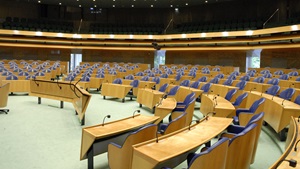
In a letter to the House of Representatives, the State Secretary for Finance has outlined the current situation regarding the introduction of the right of access to tax records. This right of access will be introduced in phases.
READ MORE
The introduction of the legal presumption does not mean that every contractor working at an hourly rate below €38 is automatically employed by the company. It does, however, mean that the presumption of an employment relationship is accepted. The contractor may rely on this presumption, but the company has the option to demonstrate that no employment contract exists.
If the company fails to prove this, the contractor is entitled to all the protection afforded by employment law. This includes continued payment during holidays and sick leave, and protection against dismissal
The contractor may rely on the legal presumption, but it has effect only under civil law. This means that the UWV, the Tax and Customs Administration and the Labour Inspectorate will not assess this legal presumption. They will continue to carry out their own investigations based on the elements of work, pay and a relationship of authority.
The legal presumption will come into force immediately on 31 December 2026. Do you have a contractor who is already carrying out work for you before 31 December 2026 at an hourly rate of less than €38? And will that contractor still be doing so from 31 December 2026 onwards? If so, from 31 December 2026 there will be a presumption that this contractor is employed by you.

The legal presumption of an employment contract for an hourly rate below €38 will come into force on 31 December 2026. What does this mean for you as a client or company?
READ MORE
Solvit is a body established by the European Commission that mediates in disputes regarding the correct application of EU law. Solvit’s services are free of charge.
The issues you can bring to Solvit are diverse. These include problems related to visas, child benefits, or pensions. For businesses, issues concerning trade and services, the recognition of professional qualifications, and VAT refunds are particularly relevant.
Please note!You cannot use Solvit if you have a problem with another business, if you have a problem as a consumer, or if you are seeking compensation. Solvit also cannot help if your case has been brought before a court.
A complaint or problem can be submitted online. You must indicate the nature of the problem and which government agency you wish to report the issue to. You may also attach relevant documents, such as correspondence. After submission, the Solvit center in your own country will contact you to prepare your case and then forward it to the Solvit center in the country to which your complaint relates. The goal is to resolve a problem within ten weeks.
On the Solvit website, you’ll find numerous examples of cases that have been resolved with Solvit’s help. These include, for example, the failure to refund VAT or delays in doing so. Another case involves the refusal to issue a certificate of inheritance. Yet another example involves the refusal to allow a product onto the French market, even though it complied with European regulations.
Solvit can also be contacted if you need advice on your EU rights. If necessary, you will be referred to services that can provide better assistance. Requests for advice are answered within a week.

Are you, as a citizen or business, facing problems because a government agency in another EU country, Iceland, Liechtenstein, or Norway is not complying with EU law? If so, you can try to resolve this through Solvit.
READ MORE
If you owe taxes, you will receive a notice from the Tax and Customs Administration. The new account number will be included in the notice regarding the taxes due.
Please note!The new account number does not affect the payment method. For example, online payments will still be possible.
If you pay the Tax and Customs Administration periodically via direct debit, you do not need to do anything. The payments will be automatically transferred to the new account number.
You only need to be careful if you have arranged a recurring payment differently, for example via a recurring transfer with your bank. In that case, you must ensure that the account number is updated yourself.
If you accidentally use the “old” account number for a payment to the Tax Authority, your payment will still be forwarded to the Tax Authority and processed there for the time being. The Tax Authority has made arrangements with ING regarding this, so that taxpayers are not penalized.
To pay a provisional or final income tax assessment, you can use the new account number starting April 20, 2026.
The Benefits Service is also switching to Rabobank and will therefore have a new account number starting May 1, 2026. From that date, you can make payments to the Benefits Service using the new account number NL04 RABO 0200112244. The Benefits Service will make its first payments from this number on Monday, June 22, 2026.
Please note! Here too, if you make a payment to the old account number, the payment will be forwarded to the Tax and Customs Administration’s new account number for the time being.
Due to the change in account numbers, the Tax and Customs Administration strongly warns against phishing. Criminals regularly attempt to collect non-existent tax debts from taxpayers via email, text message, WhatsApp, or by phone. However, the Tax and Customs Administration never collects taxes in this manner. If you are unsure whether a message is genuine, follow the step-by-step guide on the Tax and Customs Administration’s website and verify the account number.

As of May 1, 2026, the Dutch Tax and Customs Administration and the Benefits Service will switch from ING to Rabobank. This means that the account numbers will also change.
READ MORE
For businesses that buy or sell goods, cash payments of €3,000 or more will no longer be permitted starting January 1, 2026. It does not matter whether the business is buying from or selling to another business or to a private individual. In all cases, cash payments of €3,000 or more are prohibited.
Please note! A private individual may accept a cash payment exceeding €3,000 from another private individual, for example, when selling on a marketplace.
The €3,000 limit is intended to make it more difficult to launder cash derived from illegal transactions and thereby also combat terrorism. The limit is also intended to ensure that payment transactions remain accessible.
The fine for violating the ban is set at a fixed base amount of €10,000. The Wwft Supervision Bureau, a division of the Tax and Customs Administration, oversees compliance with the ban.
Special circumstances, such as financial capacity, may justify reducing the fine. On the other hand, repeated violations of the prohibition may justify increasing the fine. For example, a fine of €20,000 may be imposed if the prohibition is violated again within five years of a previous fine.
Please note! Criminal proceedings may also be initiated under the Economic Offenses Act.

Starting January 1, 2026, Dutch merchants may no longer make or accept cash payments of €3,000 or more. The base amount of the fine for violating this prohibition is a fixed amount of €10,000.
READ MORE
It is particularly common among migrant workers for employers to provide accommodation and deduct an amount from the employee's wages for this. In the case of the minimum wage, this deduction may still be a maximum of 25% of that wage in 2025.
The government believes that the deduction can encourage a model of earning and dependence on the employee. This can lead to the exploitation of migrant workers. The government therefore wants to abolish the scheme.
The proposal is to reduce the deduction by 5% per year from 2026 and to completely abolish the possibility of deducting housing costs from the statutory minimum wage from 2030.
| Year | Maximum deduction percentage |
| 2025 | 25 |
| 2026 | 20 |
| 2027 | 15 |
| 2028 | 10 |
| 2029 | 5 |
| 2030 | 0 |
Tip! Employers will still be allowed to provide housing for their employees from 2030 onwards. However, it will no longer be possible to deduct part of the costs from the statutory minimum wage.
The proposal has been submitted for internet consultation. Responses to the proposal can be submitted until June 6, 2025.

In the Netherlands in 2025, employers will be allowed to deduct a maximum of 25% of the minimum wage from an employee's statutory minimum wage to cover the costs of housing. The proposal off the Dutch government is to reduce this percentage by 5% annually from 2026 to 2029.
READ MORE

Contact
Schoutlaan 7
6002 EA Weert
0495 53 07 55
info@w-o.nl
W&O Accountants en Adviseurs
Algemene Voorwaarden
Klachtenregeling
Klokkenluidersregeling
Privacyverklaring
W&O Registeraccountants
Algemene Voorwaarden
Klachtenregeling
Klokkenluidersregeling
Privacyverklaring
